
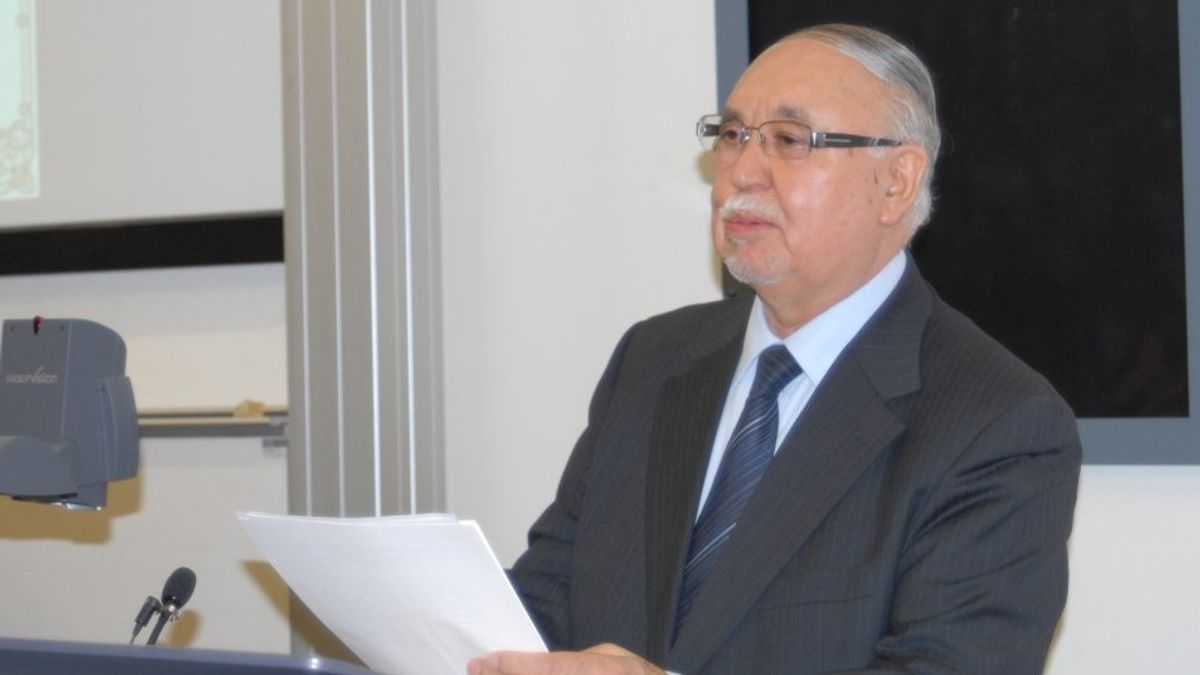
Sultan Ali Keshtmand, Afghanistan's First Hazara Prime Minister, Dies in London at 91
Sultan Ali Keshtmand, Afghanistan's first Hazara prime minister and a prominent figure in the Parcham faction of the People's Democratic Party of Afghanistan, died in London on 22 Hoot 1404 at the age of 91.
Born in spring 1935 in Kabul's Chahar Dehi area to a working-class family, Keshtmand studied economics at Kabul University. He was elected a full member of the PDPA Central Committee at its founding congress on 11 Jadi 1343 and later joined the Parcham faction after the party's split into Khalq and Parcham groups.
Keshtmand was imprisoned on 1 Sonbula 1357 and released following the events of 6 Jadi 1358. Under Babrak Karmal's government, he served as deputy prime minister and minister of planning before becoming prime minister in 1360, a position he held for about 10 years until his removal in the final years of Dr. Najibullah's rule.
Syed Mohammad Yunus Najfizadeh, a former commander of the Wardak and Ghazni Corps and a close associate of Keshtmand, said the prime minister's rise reflected the PDPA's ideological emphasis on elevating deprived classes to power. Najfizadeh described Keshtmand as an educated economist and representative of the working class who advocated for social justice, freedom, peace and democracy, while working to improve the position of marginalized ethnic groups.
During his tenure, Najfizadeh said Keshtmand managed the economy amid wartime conditions, preventing famine and food crises through strategic reserves of petroleum products, food and military equipment in central and provincial warehouses. Thousands of Afghan students were also sent abroad for studies under his leadership.
As a Hazara in a society marked by ethnic discrimination, Keshtmand's premiership marked a turning point, according to Najfizadeh. A failed assassination attempt in the final years of Dr. Najibullah's government forced Keshtmand into lifelong exile, preventing his return to Afghanistan.
Know more about this story?
If you have additional information or believe something is inaccurate, let us know. Your tips help us stay accurate.
Sources (1)
More in Politics

Commentary Critiques Lack of Political Actors in Afghan Society

Taliban Opponents' Meeting Begins in European Parliament
Pakistani political figures call for end to clashes with Taliban
Pakistan Invites Prominent Taliban Opponents to Islamabad Meeting After Eid al-Fitr
 Unverified
Commentary Critiques Lack of Political Actors in Afghan Society
Dr. Latif Pedram, leader of Afghanistan's National Congress Party, remarked that society has many political analysts but few actors, forming the basis of an Amu TV commentary urging action over discourse in politics.
 Reliable
Taliban Opponents' Meeting Begins in European Parliament
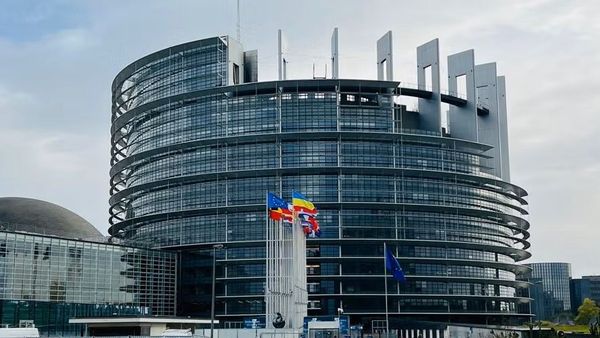
A two-day meeting of Taliban opponents began in the European Parliament on March 16, the first such official interaction on the Afghan crisis. Meanwhile, WHO reported rising health issues amid Afghan returns, and Taliban leader Hibatullah Akhundzada issued an Eid message omitting key conflicts.
 Reliable
Pakistani political figures call for end to clashes with Taliban
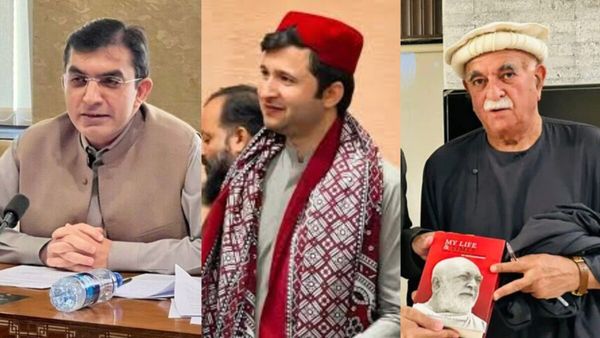
Pakistani politicians Mahmoud Khan Achakzai, Mohsen Dawar and Khushhal Khan Kakar issued a joint statement calling for an end to clashes between the Taliban and Pakistan, citing Pashtun civilian casualties from Pakistani airstrikes in Afghanistan. They described the tensions as an 'undeclared war' fueled by external investments and urged policy changes for peaceful relations.
 Developing
Pakistan Invites Prominent Taliban Opponents to Islamabad Meeting After Eid al-Fitr
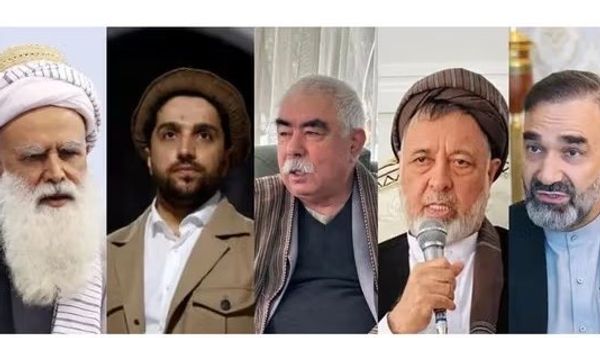
Pakistan has invited prominent political and military opponents of the Taliban to Islamabad for a likely meeting after Eid al-Fitr. In separate developments, the Taliban released hundreds of prisoners in Nangarhar and Helmand provinces, while the UN sanctions committee added one Taliban official to its list and removed dozens of others.