
Commentary Critiques Lack of Political Actors in Afghan Society
Dr. Latif Pedram, leader of the National Congress Party of Afghanistan, stated in a discussion: "Our society is full of political analysts, but there are very few political actors in it."
This remark highlights a structural vacuum in Afghan politics, where discourse dominates over action and responsibility. Politics, the commentary argues, is not merely analysis or prediction but requires individuals or groups to enter the public sphere, establish positions, and accept consequences.
Drawing on Hannah Arendt, the piece defines politics as an activity among humans in a shared space, involving risk as actors expose themselves to public judgment. Analysts interpret from a safe distance, while true political actors make their presence concrete and bear responsibility.
Over the past two decades, especially during the republican era, Afghanistan's media and political space expanded with analytical programs, newspaper columns, and social networks. This created a gap: analysis became an independent, cost-free activity rather than a prelude to intervention, leaving society reactive and passive.
Max Weber's distinction between the ethics of conviction and responsibility underscores that political actors must accept unforeseen outcomes, transcending intellectual coherence. Without such actors, politics reduces to collective spectatorship, with society interpreting events rather than shaping them.
From Karl Marx's perspective, politics fundamentally aims to change the existing situation, critiquing philosophy that merely interprets the world.
Know more about this story?
If you have additional information or believe something is inaccurate, let us know. Your tips help us stay accurate.
Sources (1)
More in Politics
Taliban Opponents' Meeting Begins in European Parliament
Pakistani political figures call for end to clashes with Taliban
Pakistan Invites Prominent Taliban Opponents to Islamabad Meeting After Eid al-Fitr
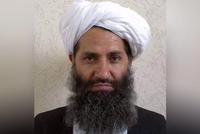
Hibatullah Akhundzada Issues Eid al-Fitr Message Emphasizing Unity and Non-Interference in Afghan Affairs
 Reliable
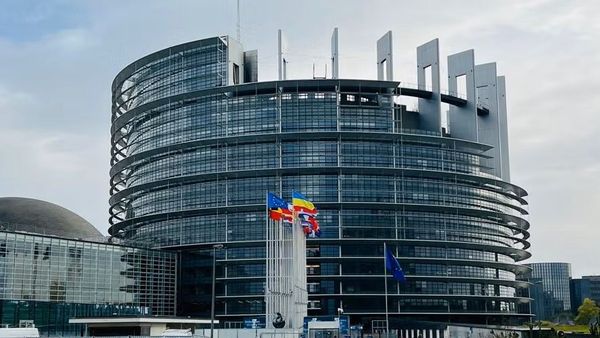
Taliban Opponents' Meeting Begins in European Parliament
A two-day meeting of Taliban opponents began in the European Parliament on March 16, the first such official interaction on the Afghan crisis. Meanwhile, WHO reported rising health issues amid Afghan returns, and Taliban leader Hibatullah Akhundzada issued an Eid message omitting key conflicts.
 Reliable
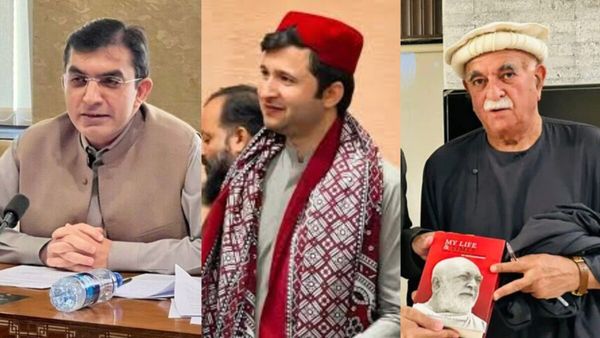
Pakistani political figures call for end to clashes with Taliban
Pakistani politicians Mahmoud Khan Achakzai, Mohsen Dawar and Khushhal Khan Kakar issued a joint statement calling for an end to clashes between the Taliban and Pakistan, citing Pashtun civilian casualties from Pakistani airstrikes in Afghanistan. They described the tensions as an 'undeclared war' fueled by external investments and urged policy changes for peaceful relations.
 Developing
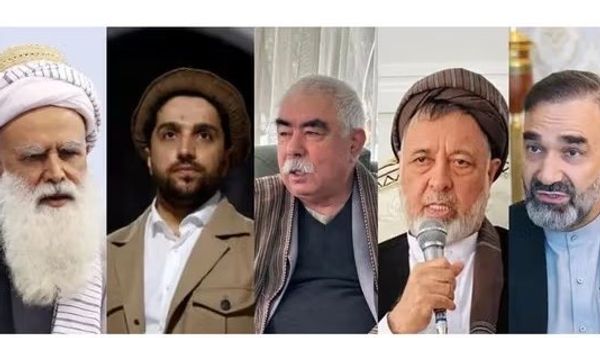
Pakistan Invites Prominent Taliban Opponents to Islamabad Meeting After Eid al-Fitr
Pakistan has invited prominent political and military opponents of the Taliban to Islamabad for a likely meeting after Eid al-Fitr. In separate developments, the Taliban released hundreds of prisoners in Nangarhar and Helmand provinces, while the UN sanctions committee added one Taliban official to its list and removed dozens of others.
 Reliable
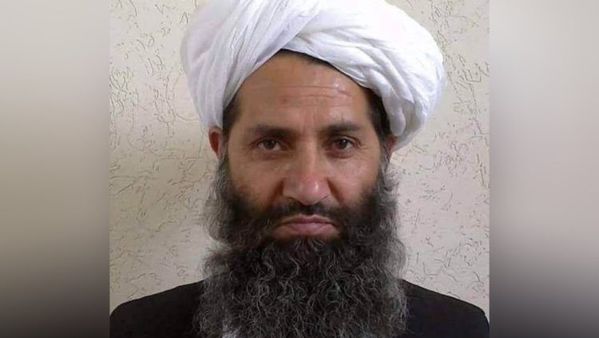
Hibatullah Akhundzada Issues Eid al-Fitr Message Emphasizing Unity and Non-Interference in Afghan Affairs
Hibatullah Akhundzada, leader of the Islamic Emirate of Afghanistan, released an Eid al-Fitr message emphasizing unity, obedience, improved security, non-interference in Afghan affairs, and condemnation of global injustices against Muslims. Critical outlets noted its silence on Pakistan border clashes and women's rights amid ongoing conflicts.