
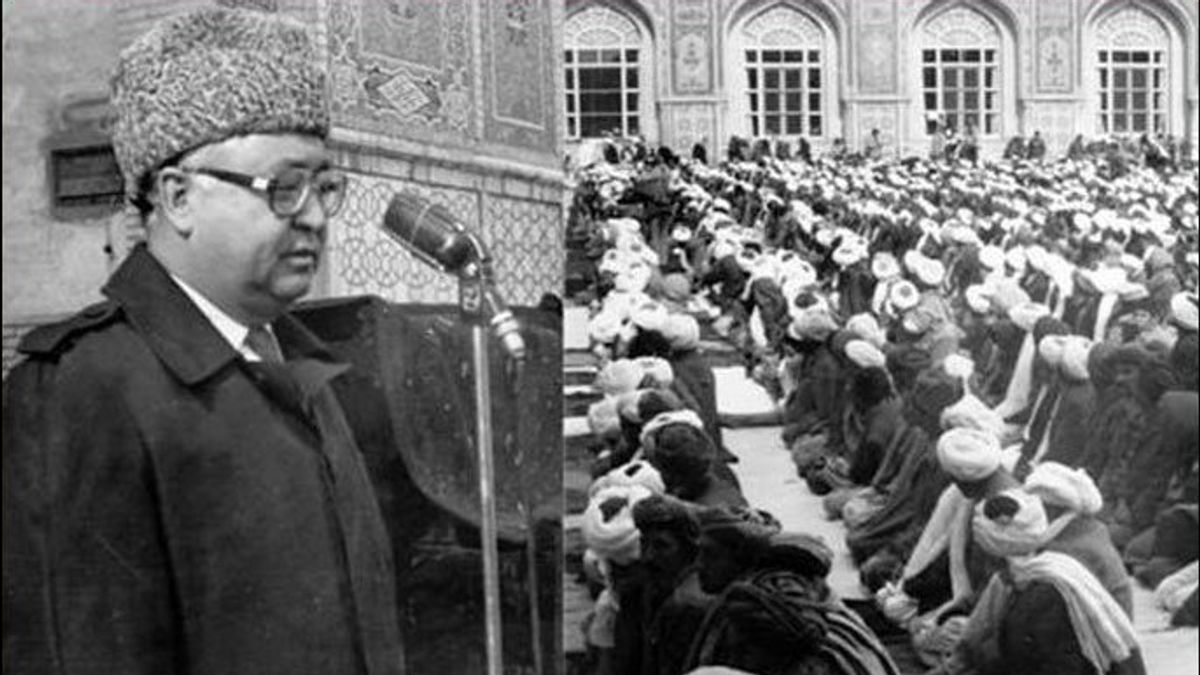
Former Afghan Prime Minister Sultan Ali Keshtmand Dies in London
Former Afghanistan Prime Minister Sultan Ali Keshtmand died in London on Friday, March 13, according to a statement confirmed by his brother on the family’s official Facebook page.
Keshtmand served as prime minister from June 11, 1981, to May 26, 1988, during the presidency of Babrak Karmal. He returned to the position from February 21, 1989, to May 8, 1990, under the government of Mohammad Najibullah. He also served as minister of planning and represented Kabul in parliament.
Born in spring 1935 in Kabul’s Chahardahi area to a farming family, Keshtmand adopted the pen name “Keshtmand,” meaning farmer, reflecting his rural roots.
After the collapse of Najibullah’s government in 1992, Keshtmand left Afghanistan, first moving to Russia before settling in the United Kingdom, where he lived in London until his death.
His career spanned the turbulent Soviet-backed governments following the Saur Revolution, a period of intense internal conflict and international involvement. As the first member of Afghanistan’s Hazara community to become prime minister, Keshtmand held a prominent role in the country’s political leadership during the 1980s and remains a significant figure for the Hazara community and in discussions among historians and political observers.
Know more about this story?
If you have additional information or believe something is inaccurate, let us know. Your tips help us stay accurate.
Sources (1)
More in Politics

Commentary Critiques Lack of Political Actors in Afghan Society

Taliban Opponents' Meeting Begins in European Parliament
Pakistani political figures call for end to clashes with Taliban
Pakistan Invites Prominent Taliban Opponents to Islamabad Meeting After Eid al-Fitr
 Unverified
Commentary Critiques Lack of Political Actors in Afghan Society
Dr. Latif Pedram, leader of Afghanistan's National Congress Party, remarked that society has many political analysts but few actors, forming the basis of an Amu TV commentary urging action over discourse in politics.
 Reliable
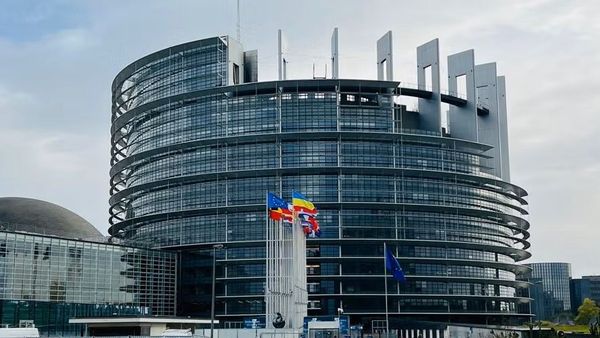
Taliban Opponents' Meeting Begins in European Parliament
A two-day meeting of Taliban opponents began in the European Parliament on March 16, the first such official interaction on the Afghan crisis. Meanwhile, WHO reported rising health issues amid Afghan returns, and Taliban leader Hibatullah Akhundzada issued an Eid message omitting key conflicts.
 Reliable
Pakistani political figures call for end to clashes with Taliban
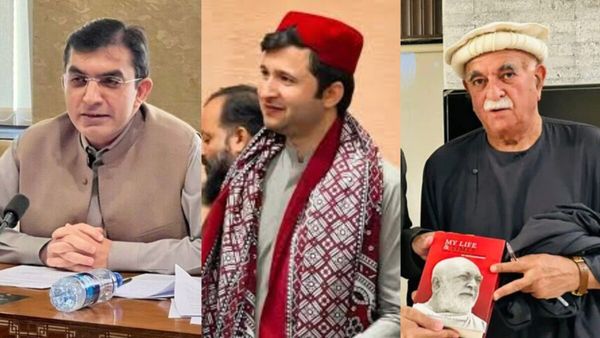
Pakistani politicians Mahmoud Khan Achakzai, Mohsen Dawar and Khushhal Khan Kakar issued a joint statement calling for an end to clashes between the Taliban and Pakistan, citing Pashtun civilian casualties from Pakistani airstrikes in Afghanistan. They described the tensions as an 'undeclared war' fueled by external investments and urged policy changes for peaceful relations.
 Developing
Pakistan Invites Prominent Taliban Opponents to Islamabad Meeting After Eid al-Fitr
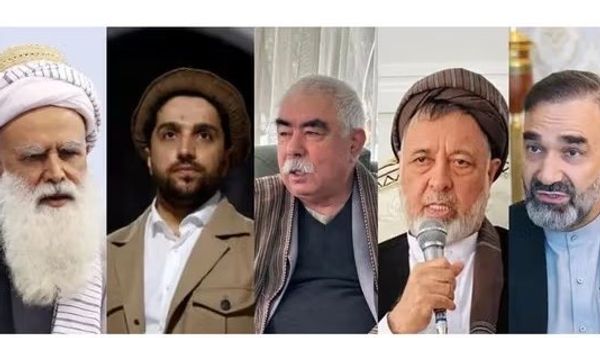
Pakistan has invited prominent political and military opponents of the Taliban to Islamabad for a likely meeting after Eid al-Fitr. In separate developments, the Taliban released hundreds of prisoners in Nangarhar and Helmand provinces, while the UN sanctions committee added one Taliban official to its list and removed dozens of others.