
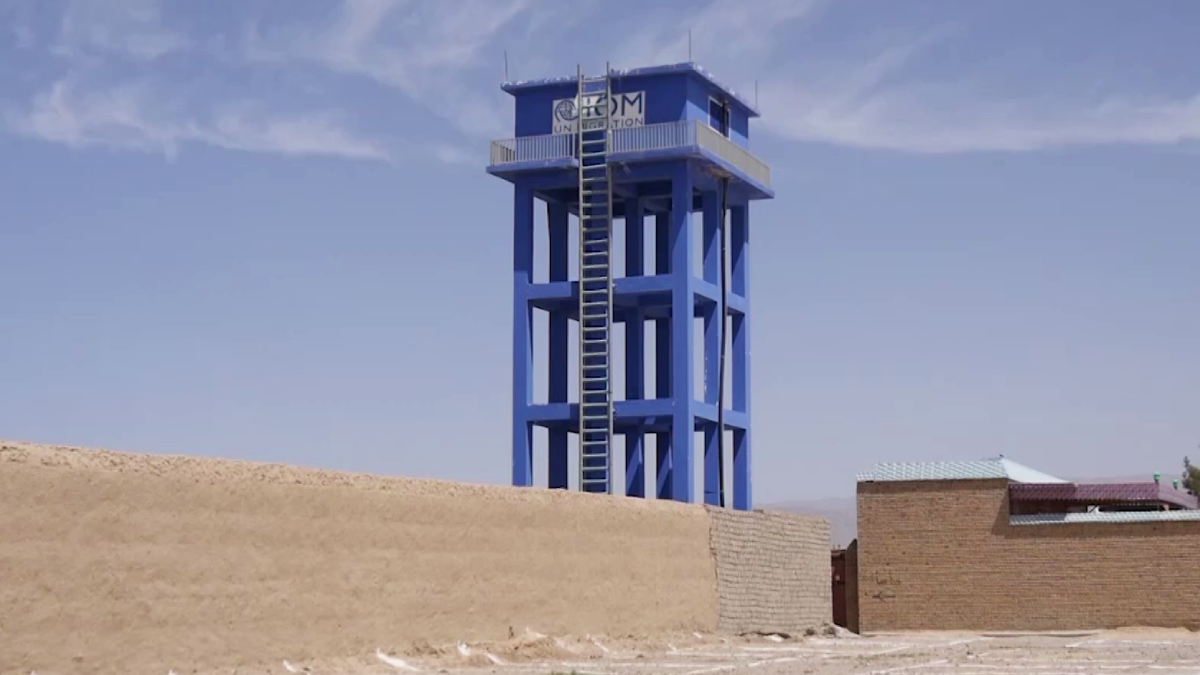
Water Infrastructure Projects Completed in Kandahar Province
Officials from the Kandahar Directorate of Rural Rehabilitation and Development have announced the completion of several water infrastructure initiatives across the province, targeting both agricultural irrigation and household drinking water supplies.
In Maiwand district, a 650-meter irrigation canal has been finalized at a cost of just over three million Afghanis. Funded by the United Nations Development Programme, the channel measures 60 centimeters in width and is intended to supply water to hundreds of jeribs of cultivated land. Local farmers and residents have welcomed the completion of the project, emphasizing the need for continued investment in rural agricultural infrastructure.
In a separate initiative, provincial authorities confirmed the construction of 44 drinking water networks distributed across 18 districts. The project, which required an investment of 148 million Afghanis, has extended clean water access to roughly 13,000 households. Despite these recent improvements, water scarcity remains a pressing challenge in several border areas, where residents continue to rely on costly private water purchases.
Directorate officials noted that planning is underway for more than 20 additional water projects this year to address ongoing shortages. Community representatives have publicly acknowledged the recent developments and called for sustained efforts to expand water delivery systems throughout Kandahar.
Know more about this story?
If you have additional information or believe something is inaccurate, let us know. Your tips help us stay accurate.
Where reports agree
- Both sources report on recently completed water infrastructure projects in Kandahar province.
- Both cite officials from the Kandahar Directorate of Rural Rehabilitation and Development.
- Both note local residents' engagement and calls for continued water development projects.
Where reports differ
- The sources cover different types of projects: Bakhtar reports on a single irrigation canal for agriculture, while ToloNews reports on 44 drinking water supply networks for households.
- Funding attribution differs: Bakhtar explicitly credits UNDP for the canal, while ToloNews does not specify the funding source for the water networks.
- Cost and scale differ due to the distinct nature of the projects (3M AFN for one canal vs. 148M AFN for 44 networks).
More in Society

Kabul Residents and Drivers Complain Over Unregulated Parking and Informal Fees
Returned Afghan Migrants Report Worsening Conditions After Deportation
Residents of Kabul's Omar Gulistan Complex Face Eviction After Taliban Court Ruling
Disabled Individuals in Afghanistan Raise Concerns Over Insufficient Allowances
 Reliable
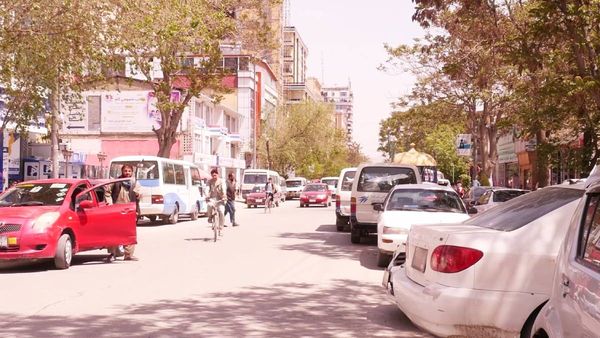
Kabul Residents and Drivers Complain Over Unregulated Parking and Informal Fees
Kabul residents and drivers are protesting informal parking operators charging unauthorized fees, while the municipality stresses that new buildings must comply with parking regulations to address urban congestion.
 Reliable
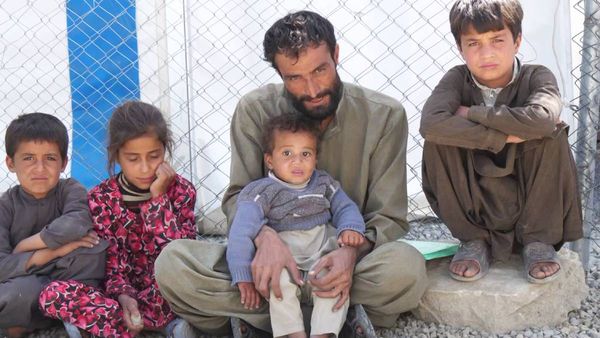
Returned Afghan Migrants Report Worsening Conditions After Deportation
Deported Afghan migrants from Pakistan and Iran report worsening living conditions, citing inadequate shelter and extortionate transport fees. The Commission for Addressing Migrants' Problems urges returnees to report their challenges through official channels as authorities coordinate relief efforts.
 Reliable
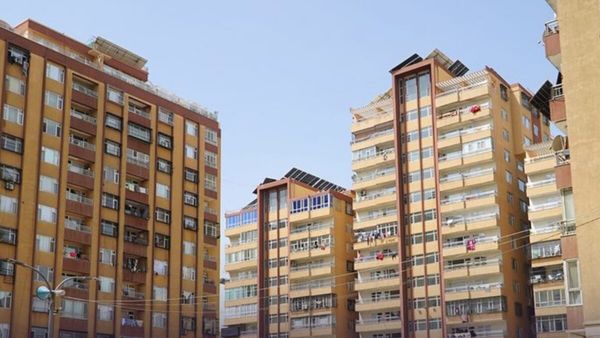
Residents of Kabul's Omar Gulistan Complex Face Eviction After Taliban Court Ruling
Kabul authorities have issued a 10-day eviction notice to residents of the Omar Gulistan residential complex after a Taliban court declared the property state-owned. The ruling has sparked protests as families contest the decision with historical ownership documents.
 Reliable
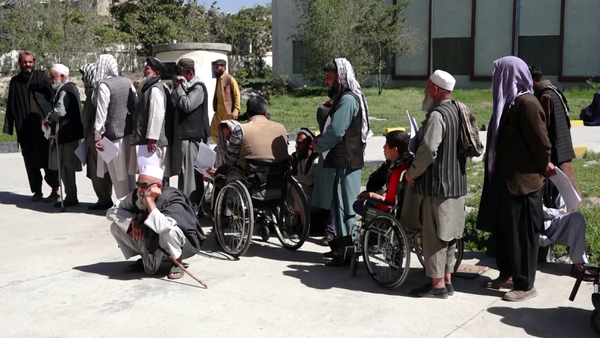
Disabled Individuals in Afghanistan Raise Concerns Over Insufficient Allowances
Disabled individuals in Kabul report that monthly allowances of approximately 9,000 Afghanis are inadequate amid rising living costs, while the Ministry of Martyrs and Disabled Affairs cites recent budget allocations and varying stipend adjustments based on disability type.