
UNICEF Report Warns of Economic and Humanitarian Challenges in Afghanistan Amid Regional Tensions
Afghanistan’s economic outlook remains constrained by widespread poverty and potential spillover effects from the Middle East crisis, according to a newly released UNICEF annual report. While the country has recorded positive gross domestic product growth and declining inflation, the report highlights persistent humanitarian challenges, including restricted access to education for girls, severe food insecurity, and mounting pressure on public services.
The report notes that approximately 2.8 million Afghans returned from neighboring countries over the past year, placing additional strain on domestic infrastructure and social support systems. UNICEF Representative Tajuddin Iwari stated that 23.2 million people, including 11.7 million children, currently require humanitarian assistance, with 90 percent of children living in food poverty.
Despite these challenges, officials from the Ministry of Economy have pointed to recent macroeconomic improvements. Deputy Minister Abdul Latif Nazari confirmed that inflation has decreased and economic output has expanded, attributing the stability to government measures that have kept prices for basic commodities and fuel steady amid regional uncertainties. Economic forecasts for 2026 and 2027 project continued GDP growth, though experts caution that structural poverty remains a significant barrier to long-term recovery.
Health and nutrition indicators present a mixed picture. Data from early 2026 shows that acute malnutrition among children has declined to 8.5 percent. However, food insecurity among children has simultaneously risen to 85 percent across ten provinces. The report emphasizes that sustained economic progress will depend on stabilizing regional conditions, expanding social safety nets, and addressing the immediate needs of returning populations and vulnerable households.
Know more about this story?
If you have additional information or believe something is inaccurate, let us know. Your tips help us stay accurate.
Sources (1)
More in Economy
Work Begins on Three Electricity Projects in Northern Afghanistan
Commercial Market Opened in Taloqan at Cost of 24 Million Afghanis
Islamic Emirate Launches Three Electricity Projects Worth 1.12 Billion Afghanis in Faryab
Oil Extraction Begins at Five Wells in Jawzjan Province
 Reliable
Work Begins on Three Electricity Projects in Northern Afghanistan
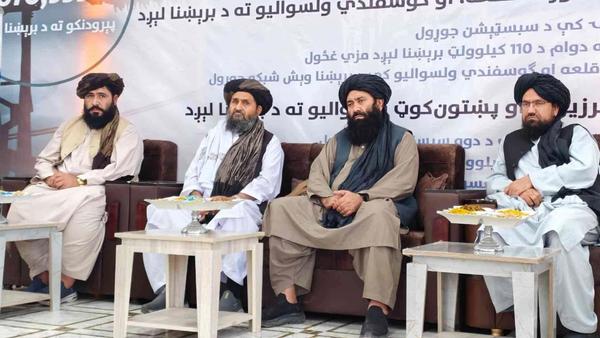
The Ministry of Water and Energy has launched three electricity projects in Jawzjan, Sar-e Pol, and Faryab provinces, funded at nearly 4 billion Afghanis from the Islamic Emirate’s domestic budget. The three-year initiative aims to provide reliable power to thousands of households in northern Afghanistan.
 Reliable
Commercial Market Opened in Taloqan at Cost of 24 Million Afghanis
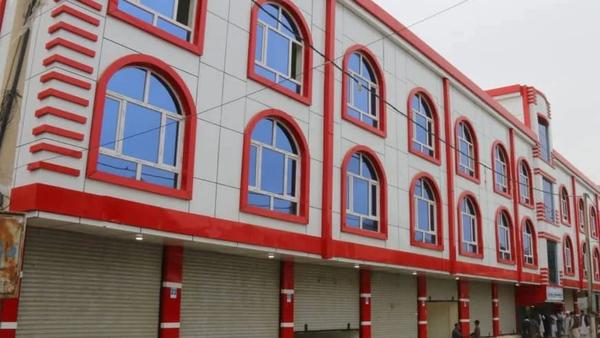
A new commercial market named Tut Bagh has opened in Taloqan, Takhar province, following a two-year construction project funded by the municipal development budget. Local officials stated the facility will improve conditions for merchants and stimulate regional economic activity.
 Reliable
Islamic Emirate Launches Three Electricity Projects Worth 1.12 Billion Afghanis in Faryab
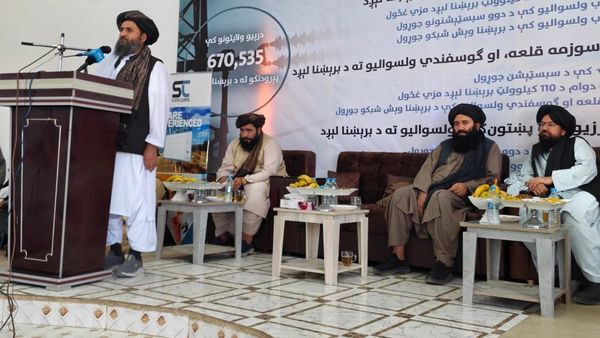
Deputy Prime Minister Mullah Abdul Ghani Baradar inaugurated three electricity projects in Faryab province valued at 1.12 billion Afghanis. Funded by the Islamic Emirate and built by private contractors over three years, the initiative aims to upgrade transmission lines and substations to reduce regional power shortages.
 Reliable
Oil Extraction Begins at Five Wells in Jawzjan Province
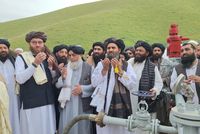
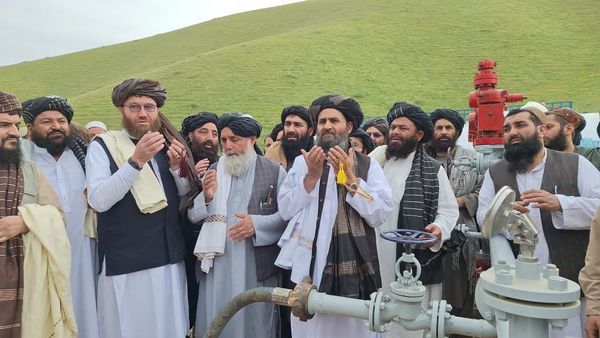
Experimental oil extraction has begun at five wells in Jawzjan province, with initial daily output of 500 cubic meters expected to rise to 1,200 tons as all 12 wells become operational. Officials stated the project is managed by Afghan engineers and aims to boost domestic energy production and local employment.