
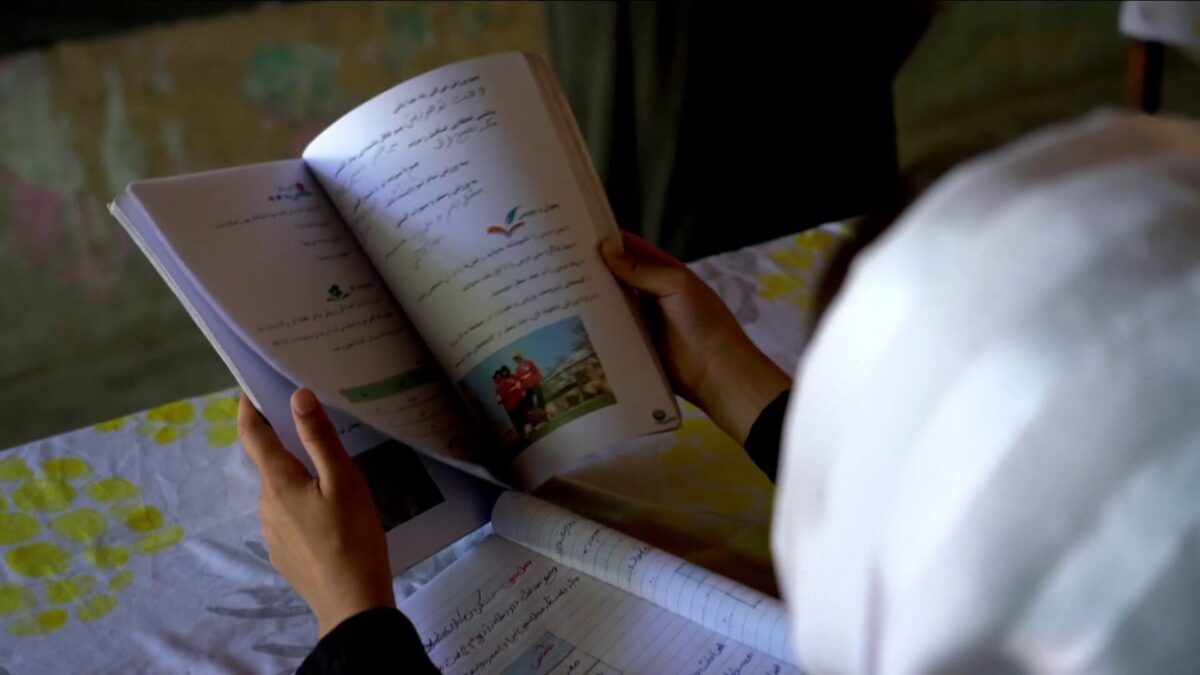
UNAMA Calls on Taliban to Lift Girls’ Education Ban on International ICT Day
The United Nations Assistance Mission in Afghanistan (UNAMA) issued a statement on April 23 urging the Taliban to lift longstanding restrictions on girls’ education and access to technology. The call coincided with the International Day of Girls in Information and Communications Technology, a day the UN uses to highlight the role of digital literacy in economic development and social progress.
UNAMA warned that more than four years of educational bans have excluded an entire generation of Afghan girls from formal schooling. The mission noted that over two million girls remain out of classrooms, a situation that continues to deepen poverty, widen gender inequality, and disrupt livelihoods for women-led households. UN officials emphasized that access to science and technology education remains critical for long-term economic stability and innovation in the country.
The United Nations Office for the Coordination of Humanitarian Affairs (OCHA) also highlighted the compounding challenges facing Afghan women and girls. OCHA noted that returning deportees and displaced families face severe barriers to essential services, with educational restrictions further increasing their vulnerability amid ongoing humanitarian pressures.
While reports vary slightly on the exact duration of the restrictions, ranging from over one thousand six hundred days to nearly four and a half years, all UN agencies agree that the continued closure of schools to females has had a profound impact on national development. UNAMA reiterated that lifting the bans is necessary to restore basic rights and support the country's integration into global educational frameworks.
Know more about this story?
If you have additional information or believe something is inaccurate, let us know. Your tips help us stay accurate.
Where reports agree
- UNAMA publicly called on the Taliban to lift the girls' education ban on April 23, coinciding with International Day of Girls in ICT.
- The ban has persisted for over four years since 2021, excluding a generation from formal schooling.
- UN agencies emphasized that ICT education is vital for employment, innovation, and Afghanistan's long-term stability.
- OCHA highlighted the acute vulnerability of returning Afghan women and girls, citing restricted access to education and basic services.
Where reports differ
- Slight numerical variations in the duration of the ban: Hasht-e Subh cites exactly 1,678 days, Khaama Press states over 1,600 days, and Amu TV notes nearly four and a half years.
- Amu TV includes specific figures (>2 million affected girls) and details on increased deportations from Europe/neighboring countries, which the other two sources omit but do not contradict.
More in Society
Afghanistan Signs $416,000 Agreement for Disaster Risk Reduction
Construction Begins on New Grand Mosque in Logar Province
10-Bed Hemodialysis Ward Opens in Helmand Province
Health Minister Visits Sar-e Pol Provincial Hospital to Assess Services and Address Shortages
 Reliable
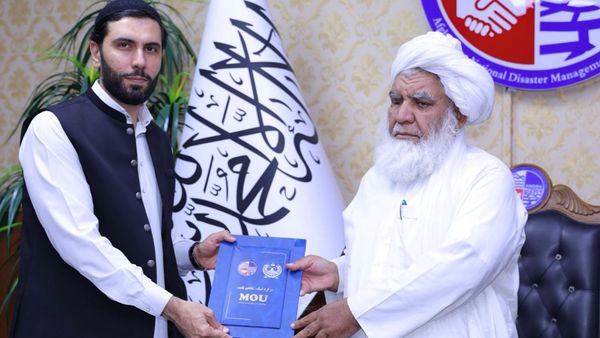
Afghanistan Signs $416,000 Agreement for Disaster Risk Reduction
Afghanistan’s National Disaster Management Authority and the World Social Services Institute in Asia have signed a $416,000 agreement to fund infrastructure upgrades and training programs aimed at reducing disaster risks. The initiative includes constructing protective barriers in Nangarhar province and establishing volunteer response teams.
 Reliable
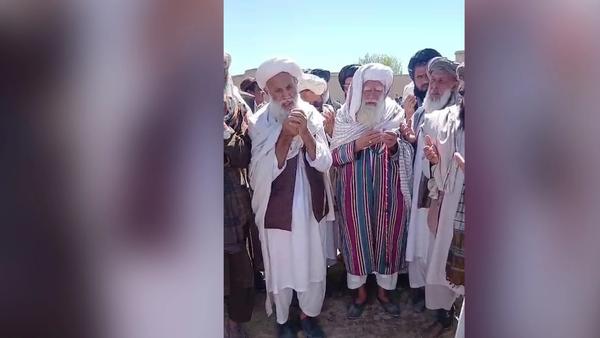
Construction Begins on New Grand Mosque in Logar Province
Construction has begun on a new grand mosque in Logar’s Baraki Barak district, funded by a businessman and local residents. The 1,100-capacity facility will replace a historic 150-year-old structure that was damaged by time and conflict.
 Reliable
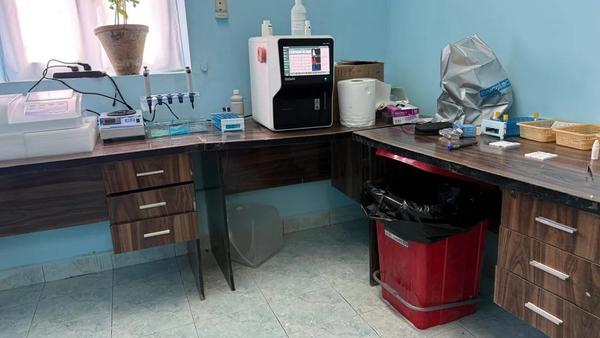
10-Bed Hemodialysis Ward Opens in Helmand Province
A 10-bed hemodialysis ward funded by the Fatima Charitable Foundation has opened in Lashkar Gah, Helmand, to treat patients with severe kidney diseases. Provincial officials highlighted the facility as part of broader healthcare expansion efforts under the Islamic Emirate.
 Reliable
Health Minister Visits Sar-e Pol Provincial Hospital to Assess Services and Address Shortages
The Minister of Public Health visited Sar-e Pol Provincial Hospital to assess medical services, direct staff on professional standards, and address reported shortages of medicines and equipment. Provincial officials pledged coordinated support to improve healthcare delivery in the region.