
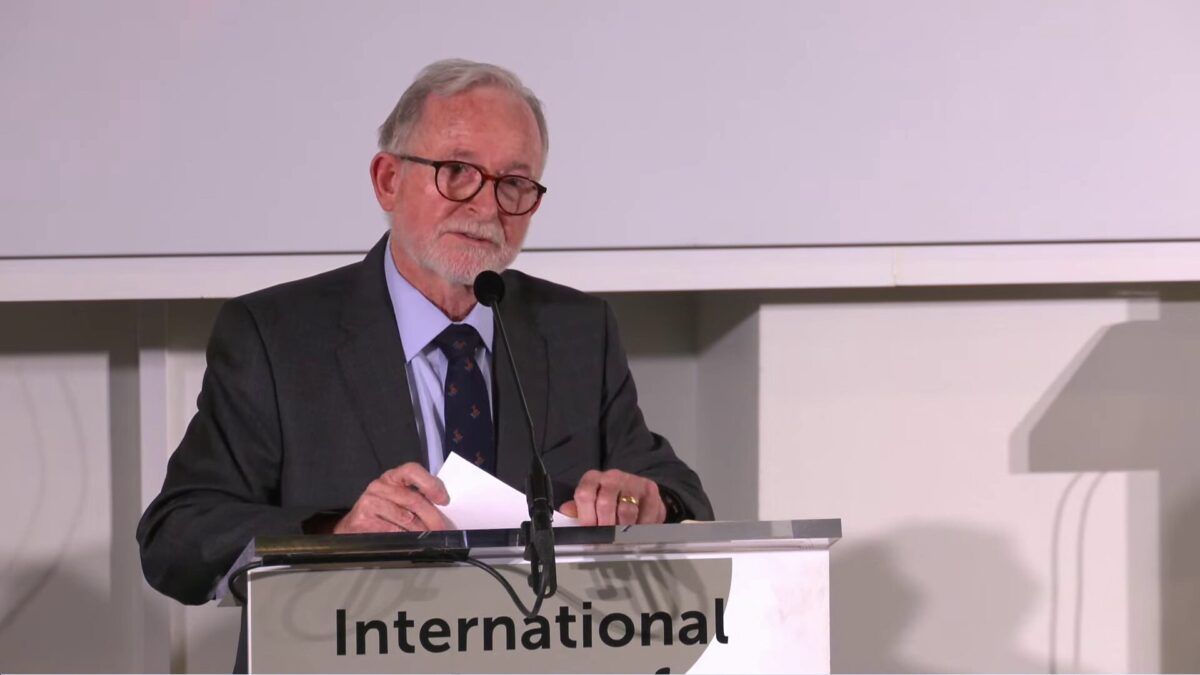
UN Special Rapporteur Warns Taliban Restrictions Create Health Access Crisis for Afghan Women
Richard Bennett, the United Nations Special Rapporteur on the situation of human rights in Afghanistan, stated on World Health Day that Afghan women and girls face serious barriers to accessing health services due to Taliban restrictions on their movement, education and employment of female health workers.
Bennett highlighted that discriminatory policies, shortages of female health staff and curbs on women's education and mobility are the main factors fueling a crisis in health service access. He noted that restrictions on girls' higher education and medical institutes over the past four years have exacerbated the shortage of female health workers.
Afghanistan's health system has collapsed since the Taliban's return to power, leading to the closure of treatment centers and reduced access, particularly in remote areas, Bennett said. International organizations including the International Committee of the Red Cross, International Organization for Migration, World Health Organization and UN Population Fund have described the health system as critically weakened by war, economic challenges, reduced aid and restrictions that disproportionately affect women and children.
Regional conflicts, including those with Pakistan and the war in the Middle East, have hindered aid delivery, while the Taliban has requested medical assistance and the UN has warned of rising health needs, according to Bennett.
Bennett urged the international community to take immediate action to restore women's rights and dignity, ensuring fulfillment of health rights and adherence to international commitments.
Know more about this story?
If you have additional information or believe something is inaccurate, let us know. Your tips help us stay accurate.
Where reports agree
- Richard Bennett made statements on World Health Day (April 7/18) about barriers to health services for Afghan women/girls due to discriminatory Taliban policies and restrictions on education/movement/work.
- Urgent action required from international community to address the crisis.
Where reports differ
- Source 1 reports health system collapse and aid delivery issues due to regional conflicts, not mentioned elsewhere.
- Source 2 includes specific quotes/reports from ICRC, IOM, WHO, UNFPA on health crisis details, not in other sources.
More in Society
Afghanistan Signs $416,000 Agreement for Disaster Risk Reduction

Construction Begins on New Grand Mosque in Logar Province
10-Bed Hemodialysis Ward Opens in Helmand Province
Health Minister Visits Sar-e Pol Provincial Hospital to Assess Services and Address Shortages
 Reliable
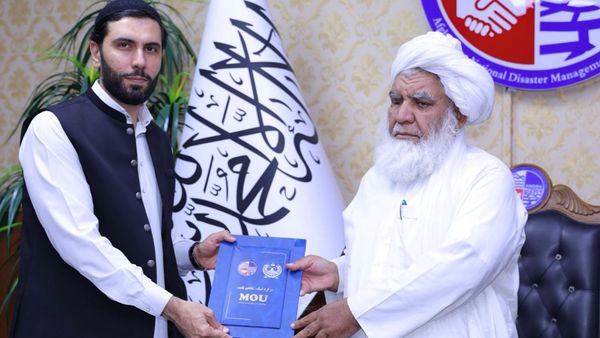
Afghanistan Signs $416,000 Agreement for Disaster Risk Reduction
Afghanistan’s National Disaster Management Authority and the World Social Services Institute in Asia have signed a $416,000 agreement to fund infrastructure upgrades and training programs aimed at reducing disaster risks. The initiative includes constructing protective barriers in Nangarhar province and establishing volunteer response teams.
 Reliable
Construction Begins on New Grand Mosque in Logar Province
Construction has begun on a new grand mosque in Logar’s Baraki Barak district, funded by a businessman and local residents. The 1,100-capacity facility will replace a historic 150-year-old structure that was damaged by time and conflict.
 Reliable
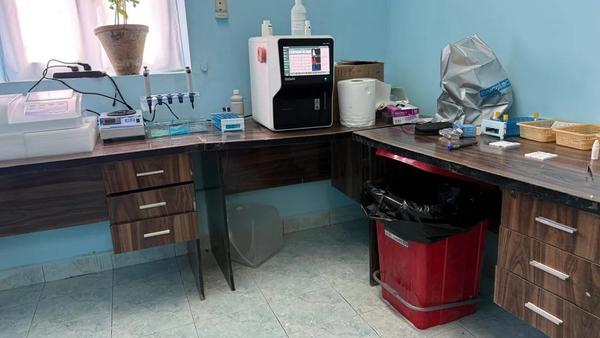
10-Bed Hemodialysis Ward Opens in Helmand Province
A 10-bed hemodialysis ward funded by the Fatima Charitable Foundation has opened in Lashkar Gah, Helmand, to treat patients with severe kidney diseases. Provincial officials highlighted the facility as part of broader healthcare expansion efforts under the Islamic Emirate.
 Reliable
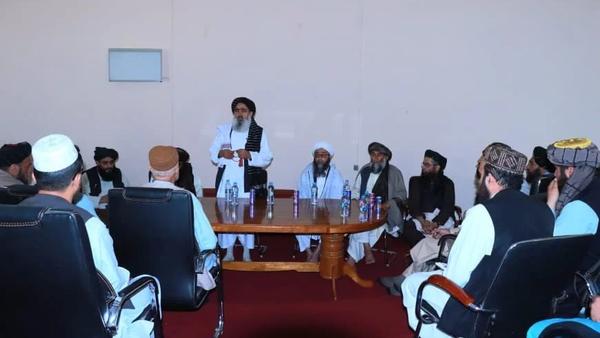
Health Minister Visits Sar-e Pol Provincial Hospital to Assess Services and Address Shortages
The Minister of Public Health visited Sar-e Pol Provincial Hospital to assess medical services, direct staff on professional standards, and address reported shortages of medicines and equipment. Provincial officials pledged coordinated support to improve healthcare delivery in the region.