
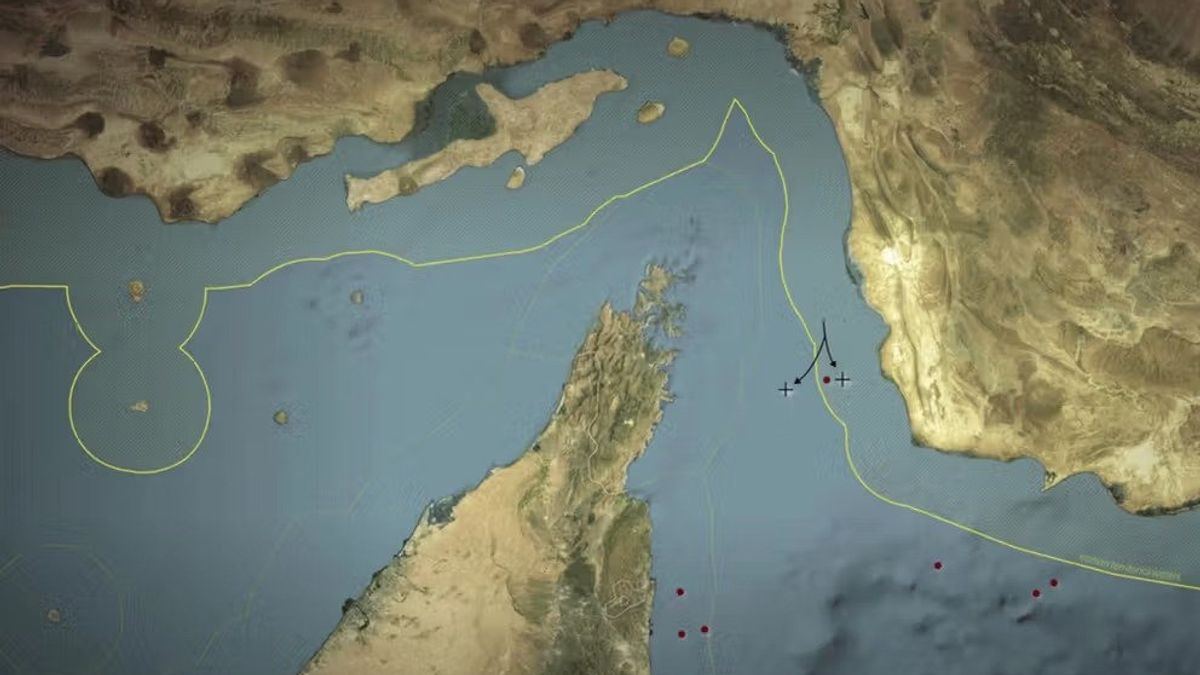
Tehran says new rules now govern passage through Strait of Hormuz
Iran said on Thursday that conditions in the Strait of Hormuz would not return to normal and that future transit through the strategic waterway would depend on Tehran’s approval.
Ebrahim Zolfaqari, spokesperson for Iran’s Khatam al-Anbiya Central Headquarters, told Anadolu that new rules had been introduced for ships passing through the strait and that full control of the route remained in Iranian hands.
He said the strength of Iran’s armed forces and public resistance was increasing, while claiming the country’s enemies were showing signs of weakness.
The remarks come as U.S. and Israeli airstrikes against Iran, launched on Feb. 28, have continued to escalate and have reportedly killed more than 1,340 people.
Iran has responded with missile and drone attacks on Israel and on countries hosting U.S. forces in the region, causing infrastructure damage and disruption to global transport and energy markets.
The threat over Hormuz comes as Washington has also tried to open a diplomatic channel with Tehran through a war-ending proposal delivered via Pakistan.
Iran, however, has rejected the initial U.S. proposal, calling it unreasonable, and has insisted that any end to the war must happen only on Tehran’s terms.
Earlier reports also indicated that Iranian Foreign Minister Abbas Araghchi and Parliament Speaker Mohammad Bagher Ghalibaf were temporarily excluded from a U.S.-Israeli strike target list, in what appeared to be an effort to keep room for possible high-level negotiations.
Despite that reported opening, Iranian officials have continued to harden their public position, linking any future talks to broader security, military and regional demands.
If fully enforced, Iran’s warning over the Strait of Hormuz could mark a major escalation with serious implications for diplomacy, global trade and regional stability.
Know more about this story?
If you have additional information or believe something is inaccurate, let us know. Your tips help us stay accurate.
Sources (1)
More in Politics
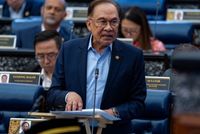
Malaysian Prime Minister Says Country Examining Recognition of Taliban Administration

US House Foreign Affairs Chairman Criticizes Taliban Suppression of Women, Backs Crimes Against Humanity Probe
Journalists in Kabul Voice Concerns Over Media Censorship and Information Restrictions
Taliban Opponents Call for Afghanistan's Political System to Be Based on People's Vote
 Reliable
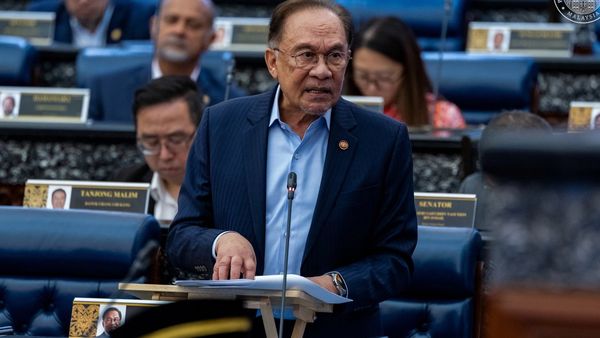
Malaysian Prime Minister Says Country Examining Recognition of Taliban Administration
Malaysian Prime Minister Anwar Ibrahim said after a phone call with Taliban Prime Minister Mohammad Hassan Akhund that his country is examining recognition of the Taliban administration. He expressed support for de-escalating Taliban-Pakistan tensions through mediation by Turkey, Qatar and Saudi Arabia, and pledged continued humanitarian aid.
 Reliable
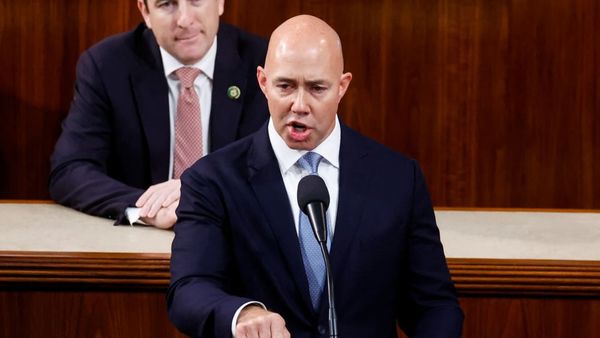
US House Foreign Affairs Chairman Criticizes Taliban Suppression of Women, Backs Crimes Against Humanity Probe
US House Foreign Affairs Committee Chairman Brian Mast criticized Taliban restrictions on Afghan women and girls during a committee session attended by female students from Afghanistan, backing a bill for the State Department to assess if they amount to crimes against humanity. Representative Randy Fine labeled the Taliban an evil regime for suppressing women.
 Reliable
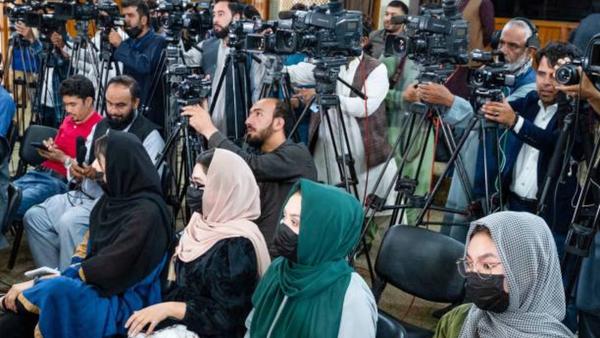
Journalists in Kabul Voice Concerns Over Media Censorship and Information Restrictions
Journalists in Kabul have expressed concerns about severe restrictions on information access and media censorship, stating that many important events remain hidden due to self-censorship and that domestic media can only publish Taliban-approved content.
 Reliable
Taliban Opponents Call for Afghanistan's Political System to Be Based on People's Vote
Taliban opponents have called for a political system based on the people's vote following a two-day meeting organized by Women for Afghanistan that also emphasized sovereignty, democratic governance, ethnic diversity and religious moderation. British parliamentarians attended the gathering, which called for further meetings to build national consensus.