

Taliban Publishes New Law Regulating Religious Preachers
The Taliban have published a new regulatory framework for religious preachers in their official gazette, mandating that clerics adhere to the Hanafi school of jurisprudence and instruct the public on the "virtue of jihad." The decree, titled the Preachers Law, was ratified by the movement’s supreme leader and outlines a comprehensive set of guidelines for religious instruction across the country.
The legislation comprises seventeen articles organized into an introduction, three chapters, and two distinct sections. Under the new rules, all authorized preachers must operate under the direct supervision of the Ministry for the Propagation of Virtue and Prevention of Vice. The ministry is tasked with monitoring religious activities and ensuring compliance with the newly established standards.
Officials have characterized the regulation as a necessary step to standardize religious and social affairs, aligning clerical instruction with state directives. The publication marks another phase in the administration’s ongoing effort to formalize its decrees through official state channels, a process that has been steadily expanding since the group returned to power in two thousand twenty-one.
The law explicitly requires religious figures to incorporate teachings on the "virtue of jihad" into their public sermons and educational programs. By centralizing oversight and establishing clear doctrinal requirements, the administration aims to consolidate its authority over religious discourse and ensure uniform messaging across mosques and religious institutions.
Know more about this story?
If you have additional information or believe something is inaccurate, let us know. Your tips help us stay accurate.
Sources (1)
More in Politics
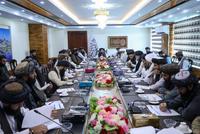
Economic Commission Approves Electronic Document System and Reviews Mining-Funded Projects
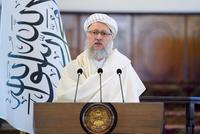
Deputy Administrative Chief Visits Eastern Provinces to Assess Returnee Settlement Conditions
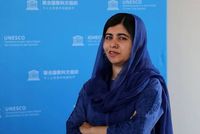
Malala Yousafzai Calls for International Recognition of Gender Apartheid in Afghanistan
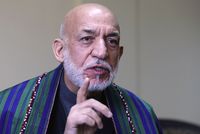
Karzai Warns of Workforce Shortages Amid Taliban Ban on Girls’ Education
 Reliable
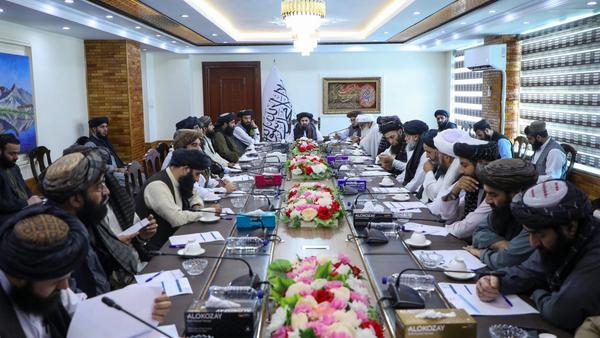
Economic Commission Approves Electronic Document System and Reviews Mining-Funded Projects
The Economic Commission has approved a phased rollout of an electronic document management system to improve government transparency and reviewed 22 public welfare projects funded by mining revenues.
 Reliable
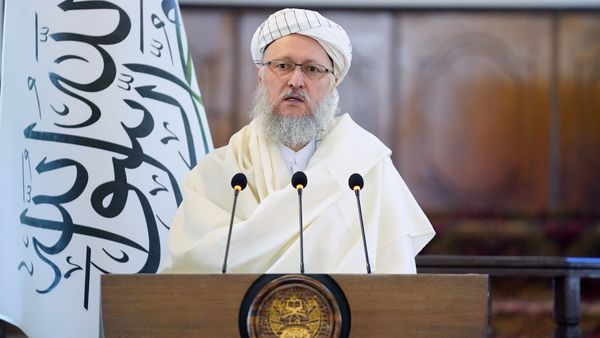
Deputy Administrative Chief Visits Eastern Provinces to Assess Returnee Settlement Conditions
Mawlawi Abdul Salam Hanafi led a government delegation to eastern Afghanistan to evaluate settlement conditions for returnees and direct ministries to improve housing, water access, and infrastructure. The assessment covers Nangarhar, Kunar, and Nuristan provinces.
 Reliable
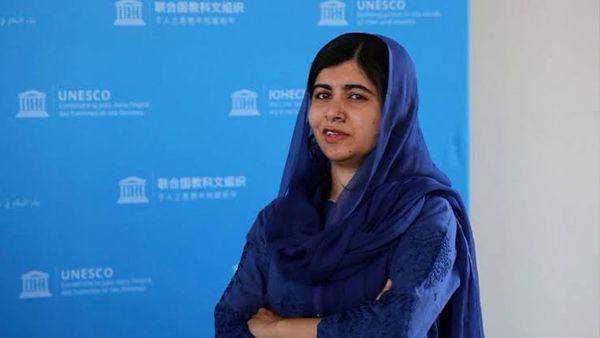
Malala Yousafzai Calls for International Recognition of Gender Apartheid in Afghanistan
Malala Yousafzai met with Scottish First Minister John Swinney to urge international recognition of gender apartheid and the inclusion of Afghan women in negotiations, amid worsening press freedom rankings.
 Reliable
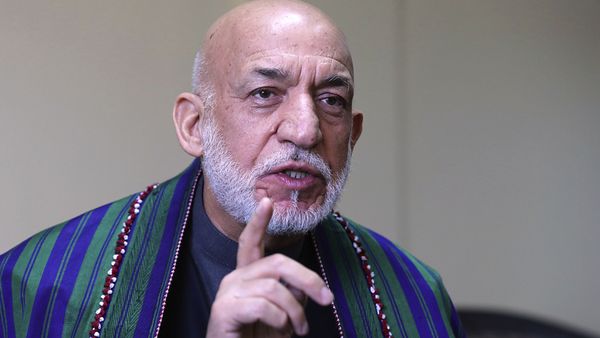
Karzai Warns of Workforce Shortages Amid Taliban Ban on Girls’ Education
Former President Hamid Karzai has called for the immediate reopening of schools for girls, citing a UNICEF report that warns of severe shortages in female teachers and health workers by 2030. He cautioned that the ongoing education ban will weaken national capacity and increase foreign dependency.