
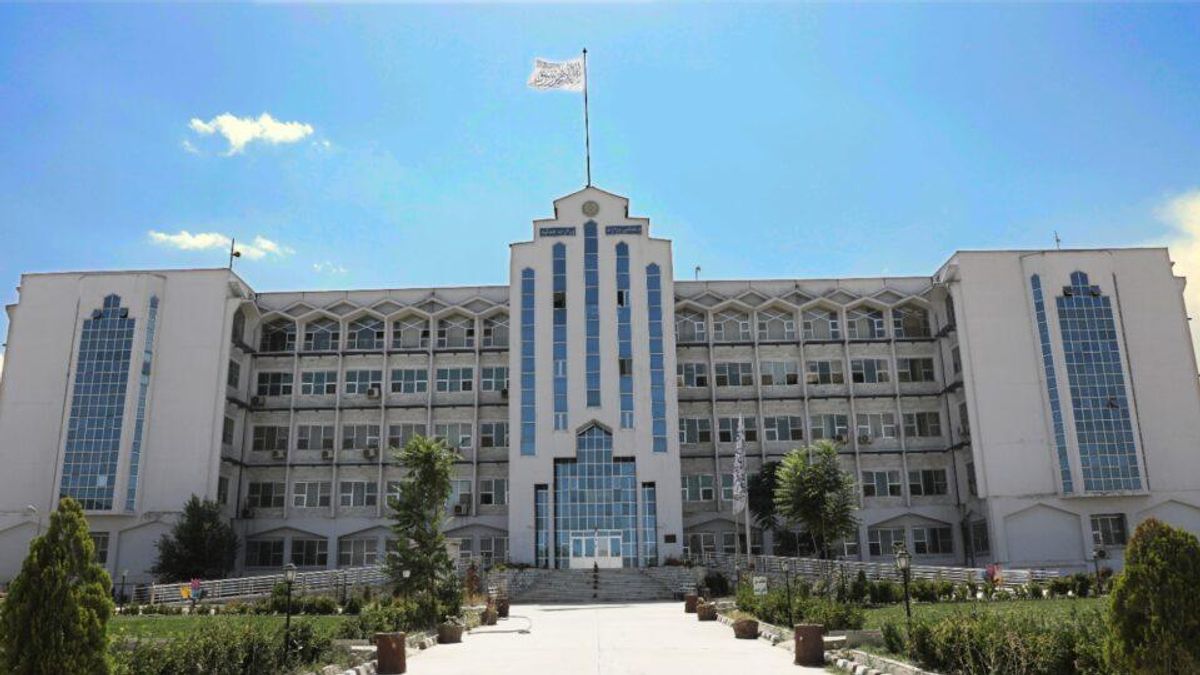
Taliban Ministry of Justice Declares Omid Sabz Settlement in Kabul State Property
The Taliban Ministry of Justice has officially declared the Omid Sabz settlement in western Kabul as state property following a ruling by a special court. The decision covers land spanning the capital’s sixth and thirteenth municipal districts.
According to ministry officials, the court reviewed historical land documents and cadastral records before issuing the order. The designated area will be formally transferred to the Commission for the Prevention of Land Grabbing for further administrative handling. Ministry representatives stated that the legal review confirmed the property remains under government jurisdiction.
Reports on the precise size and historical ownership differ between outlets. Sources cited by Amu TV alleged the land historically belonged to Nabi Khalili, brother of former Vice President Mohammad Karim Khalili, and estimated the area at 1,500 jeribs. Conversely, Pajhwok reported that court officials confirmed the land is registered across five government parcels with no legal transfer to private individuals, specifying the area as 1,507.49 jeribs.
The Omid Sabz settlement is reported to contain roughly 500 residential units, housing an estimated 6,000 residents. The declaration has raised concerns among local inhabitants regarding their housing security. This ruling follows a similar recent decision concerning the Omar Gulistan settlement in Kabul, where authorities also moved to reclaim land for state use.
Know more about this story?
If you have additional information or believe something is inaccurate, let us know. Your tips help us stay accurate.
Where reports agree
- The Taliban Ministry of Justice officially declared the Omid Sabz settlement as state property.
- The land area is approximately 1,500 jeribs.
- The property is located in Kabul's 6th and 13th districts.
- The decision was issued by a special court after reviewing land documents and records.
- The land will be transferred to the Land Grab Prevention and Restitution Commission.
Where reports differ
- Exact land measurement: Amu TV reports 1,500 jeribs, while Pajhwok specifies 1,507.49 jeribs.
- Ownership attribution: Amu TV cites sources claiming the land belongs to Nabi Khalili (brother of former VP Mohammad Karim Khalili), whereas Pajhwok reports the court found it officially registered to the government with no individual ownership.
- Resident impact details: Amu TV reports ~500 units and ~6,000 residents facing uncertainty and links the case to a prior Omar Gulistan seizure, while Pajhwok omits demographic, impact, and contextual details.
More in Politics
Economic Commission Approves Electronic Document System and Reviews Mining-Funded Projects
Deputy Administrative Chief Visits Eastern Provinces to Assess Returnee Settlement Conditions
Malala Yousafzai Calls for International Recognition of Gender Apartheid in Afghanistan
Karzai Warns of Workforce Shortages Amid Taliban Ban on Girls’ Education
 Reliable
Economic Commission Approves Electronic Document System and Reviews Mining-Funded Projects
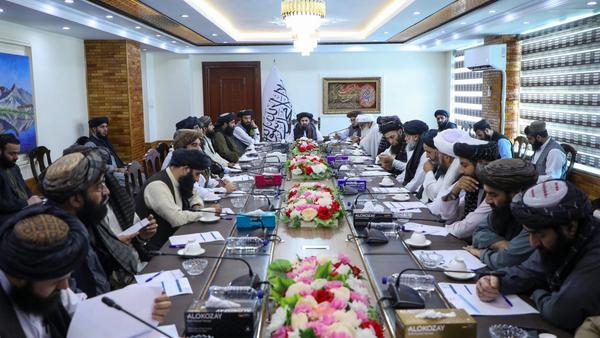
The Economic Commission has approved a phased rollout of an electronic document management system to improve government transparency and reviewed 22 public welfare projects funded by mining revenues.
 Reliable
Deputy Administrative Chief Visits Eastern Provinces to Assess Returnee Settlement Conditions
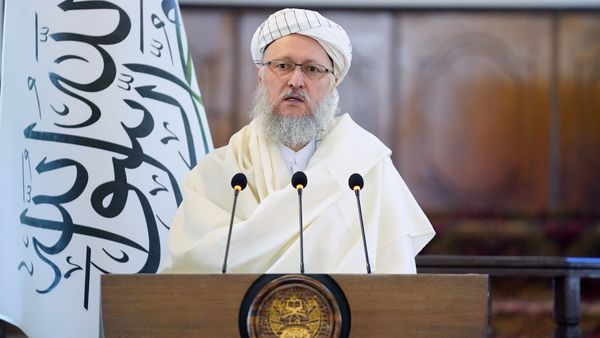
Mawlawi Abdul Salam Hanafi led a government delegation to eastern Afghanistan to evaluate settlement conditions for returnees and direct ministries to improve housing, water access, and infrastructure. The assessment covers Nangarhar, Kunar, and Nuristan provinces.
 Reliable
Malala Yousafzai Calls for International Recognition of Gender Apartheid in Afghanistan
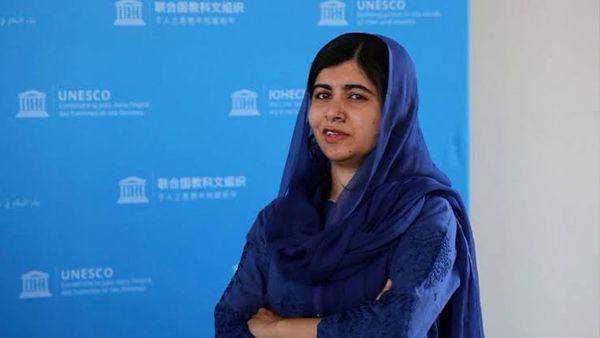
Malala Yousafzai met with Scottish First Minister John Swinney to urge international recognition of gender apartheid and the inclusion of Afghan women in negotiations, amid worsening press freedom rankings.
 Reliable
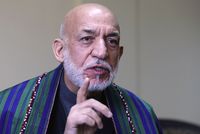
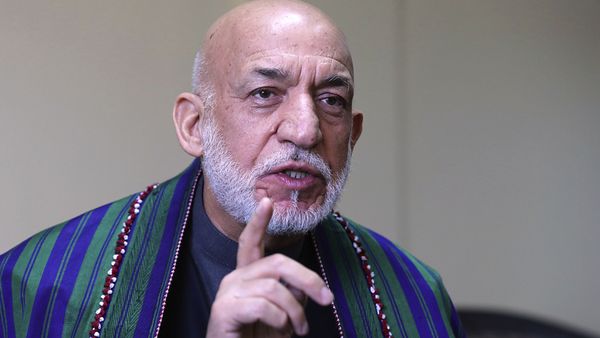
Karzai Warns of Workforce Shortages Amid Taliban Ban on Girls’ Education
Former President Hamid Karzai has called for the immediate reopening of schools for girls, citing a UNICEF report that warns of severe shortages in female teachers and health workers by 2030. He cautioned that the ongoing education ban will weaken national capacity and increase foreign dependency.