
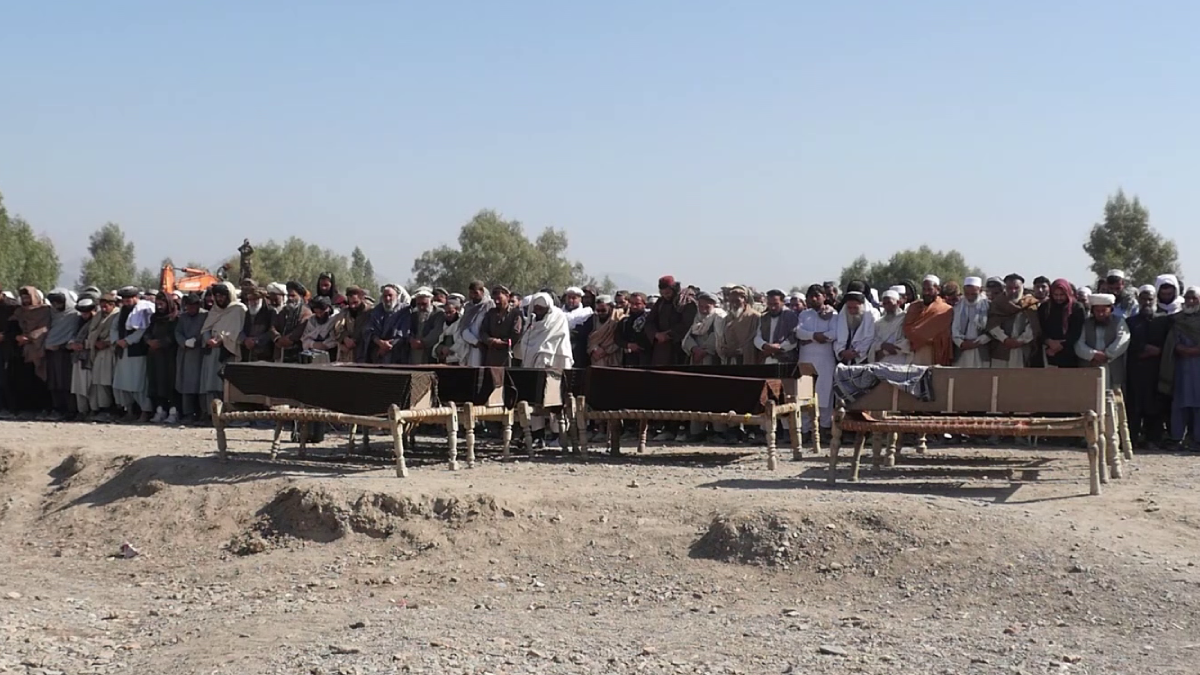
Pakistan airstrikes target eastern Afghanistan, prompting Taliban condemnation and diplomatic protest
Pakistani aircraft conducted airstrikes late Saturday night on districts in Nangarhar and Paktika provinces, including Khogyani, Ghanikhil, Behsood (Gardi Kats area) in Nangarhar and Barmal in Paktika, with some reports mentioning Khost.
Afghan authorities reported civilian casualties, with local officials in Nangarhar stating at least 17 people from one family, including women and children, were killed and five wounded in Behsood district. The Taliban Defense Ministry described the strikes as hitting homes and a religious school, resulting in dozens of civilian deaths including women and children, and condemned them as a violation of sovereignty, international law, Islamic principles and good neighborliness. Zabihullah Mujahid, spokesman for the Islamic Emirate of Afghanistan, told Ariana News that Afghan forces would target those responsible, specifically a military circle in Pakistan backed externally, and not civilians.
The Taliban Foreign Ministry summoned Pakistan's ambassador in Kabul, delivering a formal protest note and warning of consequences for repeated airspace violations. The Defense Ministry vowed a measured response at an appropriate time, attributing the strikes to Pakistan's internal security failures.
Pakistan's Information Ministry stated the strikes targeted seven TTP and ISIS-K hideouts in retaliation for recent suicide bombings in Islamabad, Bajur and Bannu during Ramadan, which those groups claimed.
Former President Hamid Karzai called the strikes a blatant sovereignty violation and urged Pakistan to pursue civilized neighborly relations. Abdullah Abdullah, former High Council for National Reconciliation chairman, condemned them as contrary to national integrity and advocated dialogue. Naseer Ahmad Faiq, Afghanistan's UN representative, said the actions breach the UN Charter and international law, stressing principled anti-terrorism without selectivity. Other former officials including Omar Zakhilwal, Shah Mahmoud Miakhel and Abdul Salam Zaeef echoed condemnations, labeling the strikes cowardly aggression.
Locals in Nangarhar demanded a strong Taliban response during funerals attended by thousands and officials like Hayatullah Mujahir. The International Human Rights Foundation condemned the strikes, calling for urgent independent international investigation and accountability.
Know more about this story?
If you have additional information or believe something is inaccurate, let us know. Your tips help us stay accurate.
More in Security
209 Al-Fath Corps Launches Three-Day Training Seminar for Personnel

Farmer Killed in Landmine Blast While Ploughing Field in Ghazni Province

Al Qaeda-Linked Militants Launch Coordinated Attacks Across Mali, Army Reports
Islamic Emirate of Afghanistan Responds to 2026 Global Terrorism Index Report
 Reliable
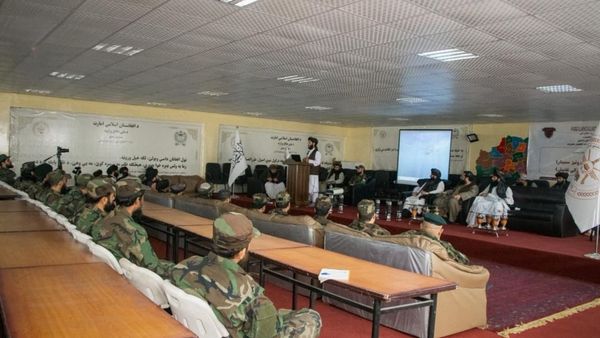
209 Al-Fath Corps Launches Three-Day Training Seminar for Personnel
The 209 Al-Fath Corps has begun a three-day professional training seminar under Ministry of National Defense directives, focusing on military principles, inspection procedures, and administrative efficiency. Chief Inspector Mufti Latifullah Hakimi is leading key instructional sessions to enhance personnel capacity.
 Reliable
Farmer Killed in Landmine Blast While Ploughing Field in Ghazni Province
A farmer in Ghazni province was killed after his tractor struck a buried landmine while ploughing a field in Qarabagh district. The incident marks the second fatal landmine explosion in the province within three days, following a similar blast in Waghaz district.
 Reliable
Al Qaeda-Linked Militants Launch Coordinated Attacks Across Mali, Army Reports
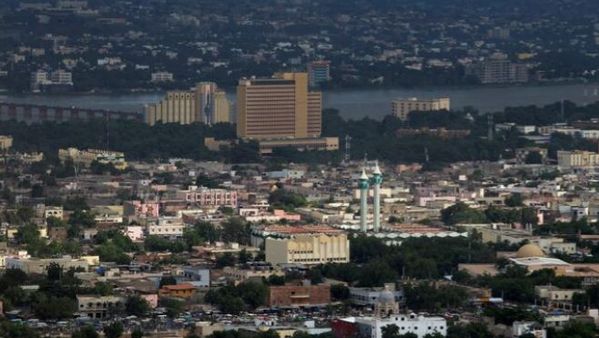
Coordinated attacks by an Al Qaeda-linked militant group struck multiple Malian cities, including Bamako, wounding at least sixteen people. The Malian army reports that it has contained the situation and brought the violence under control.
 Reliable
Islamic Emirate of Afghanistan Responds to 2026 Global Terrorism Index Report
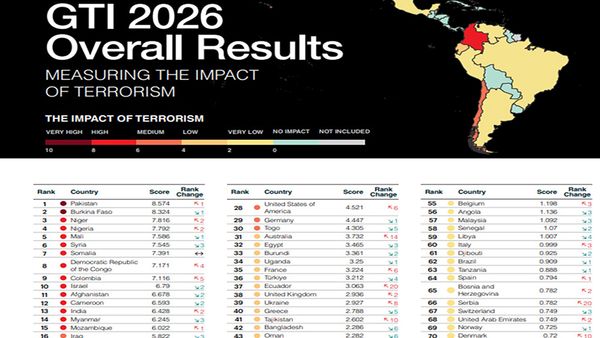
The Islamic Emirate of Afghanistan has responded to the 2026 Global Terrorism Index, citing a significant decline in domestic insecurity and linking improved security conditions to economic growth and regional stability commitments.