
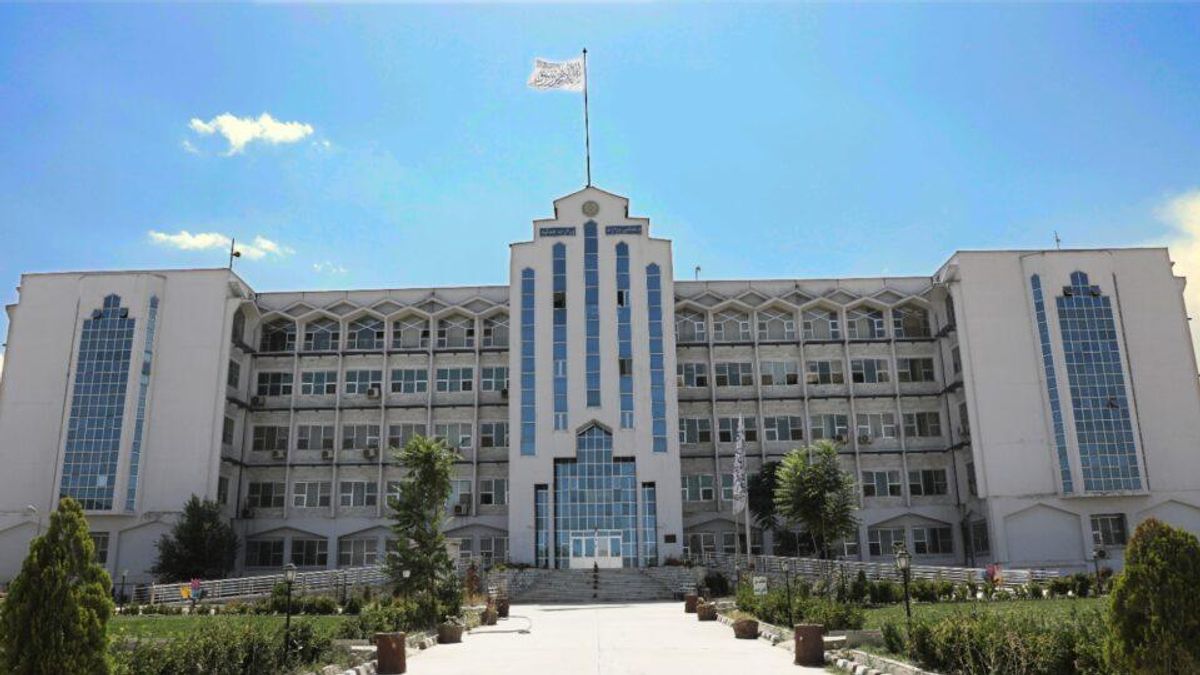
Islamic Emirate Supreme Leader Approves Law Regulating Religious Preachers
The Supreme Leader of the Islamic Emirate of Afghanistan has approved the Muhtasibin law, establishing a formal legal framework for the duties, ethical standards, and outreach methods of religious preachers across the country. The Ministry of Justice confirmed the approval and announced that the legislation has been officially published in the national gazette.
According to the ministry’s statement, the new law defines the operational guidelines for religious scholars tasked with public guidance and moral oversight. It outlines specific responsibilities for preachers and sets standards for their engagement with communities. The legislation also clarifies the administrative structure that will govern their activities.
Implementation and ongoing oversight of the law will be managed by the Ministry of Vice, Virtue and Complaints. The ministry is tasked with ensuring compliance with the newly established regulations and coordinating with relevant provincial and district authorities to facilitate the preachers’ work.
The legislation mandates broad cooperation from state institutions and the public. Under its provisions, government officials, security personnel, and mosque imams are required to assist religious preachers in carrying out their duties. The law also calls on the general public to cooperate with authorized preachers and adhere to the guidelines outlined in the text.
The approval marks a formal step in standardizing religious outreach and moral guidance under the current administration. Officials stated that the framework aims to unify preaching efforts and ensure that religious instruction aligns with established administrative protocols.
Know more about this story?
If you have additional information or believe something is inaccurate, let us know. Your tips help us stay accurate.
Sources (1)
More in Politics
Economic Commission Approves Electronic Document System and Reviews Mining-Funded Projects
Deputy Administrative Chief Visits Eastern Provinces to Assess Returnee Settlement Conditions

Malala Yousafzai Calls for International Recognition of Gender Apartheid in Afghanistan
Karzai Warns of Workforce Shortages Amid Taliban Ban on Girls’ Education
 Reliable
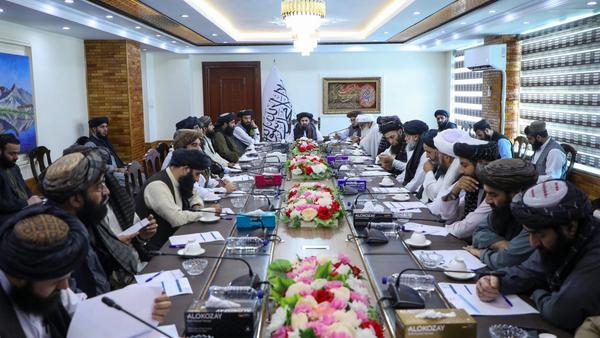
Economic Commission Approves Electronic Document System and Reviews Mining-Funded Projects
The Economic Commission has approved a phased rollout of an electronic document management system to improve government transparency and reviewed 22 public welfare projects funded by mining revenues.
 Reliable
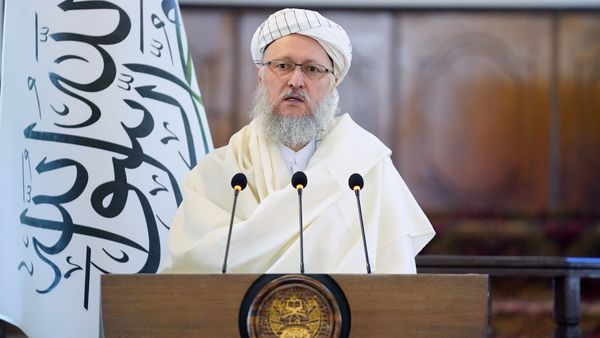
Deputy Administrative Chief Visits Eastern Provinces to Assess Returnee Settlement Conditions
Mawlawi Abdul Salam Hanafi led a government delegation to eastern Afghanistan to evaluate settlement conditions for returnees and direct ministries to improve housing, water access, and infrastructure. The assessment covers Nangarhar, Kunar, and Nuristan provinces.
 Reliable
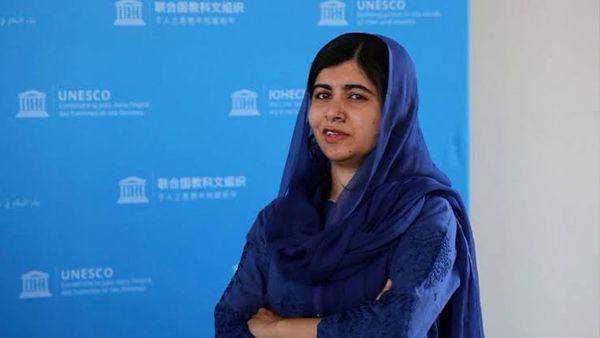
Malala Yousafzai Calls for International Recognition of Gender Apartheid in Afghanistan
Malala Yousafzai met with Scottish First Minister John Swinney to urge international recognition of gender apartheid and the inclusion of Afghan women in negotiations, amid worsening press freedom rankings.
 Reliable
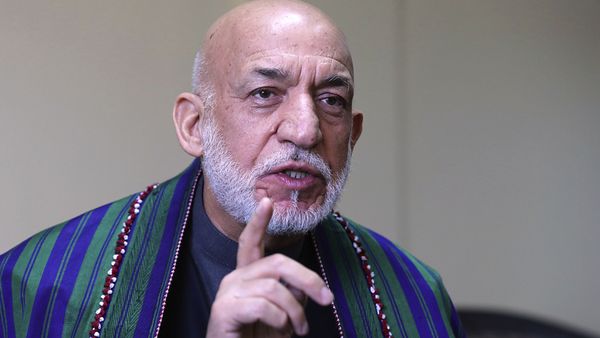
Karzai Warns of Workforce Shortages Amid Taliban Ban on Girls’ Education
Former President Hamid Karzai has called for the immediate reopening of schools for girls, citing a UNICEF report that warns of severe shortages in female teachers and health workers by 2030. He cautioned that the ongoing education ban will weaken national capacity and increase foreign dependency.