
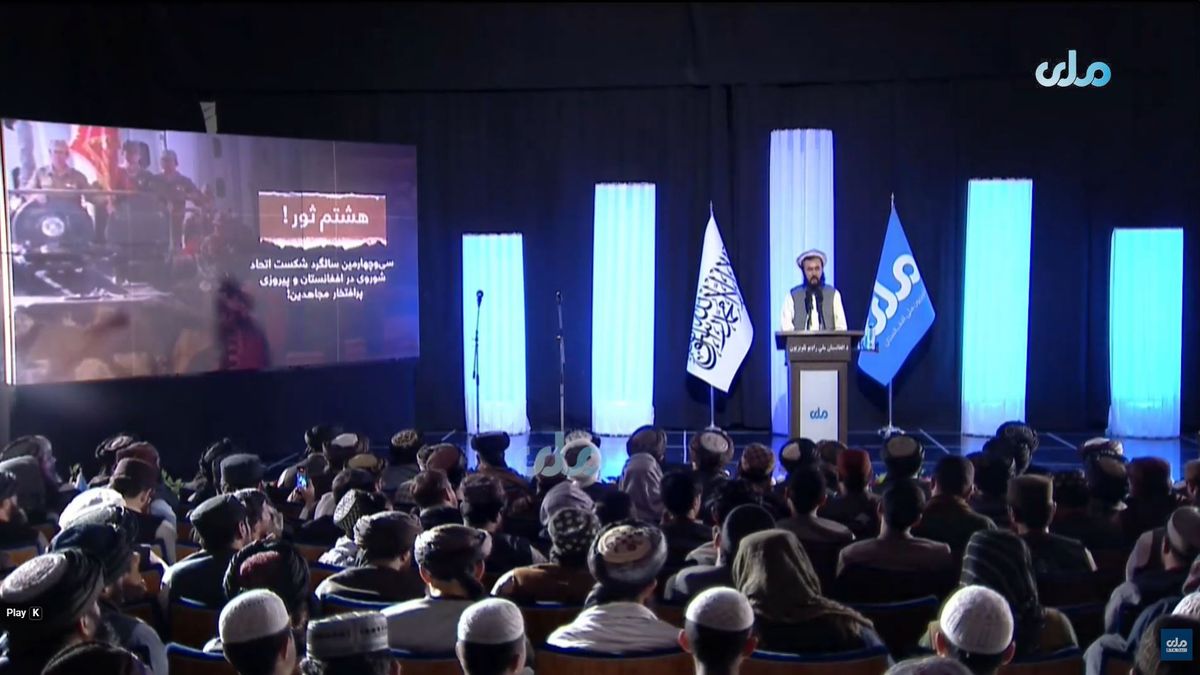
Islamic Emirate of Afghanistan Marks 34th Anniversary of 1992 Mujahideen Victory
April 28 marks the 34th anniversary of the Mujahideen’s 1992 victory over the Soviet-backed communist government of Dr. Najibullah, an event commemorated by the Islamic Emirate of Afghanistan as a historic milestone. The ruling administration issued an official statement framing the date as a day of national pride and freedom, while explicitly condemning the 7 Saur communist coup of 1978.
A formal ceremony was held at Radio Afghanistan, attended by senior officials of the Islamic Emirate. Speakers at the event praised the anniversary for ushering in political and intellectual freedom, emphasizing its significance for the country’s historical memory and national identity.
Citizens and analysts noted that the 1992 victory marked the beginning of a devastating civil war that resulted in widespread civilian casualties, mass displacement, and ultimately created conditions for the initial rise of the Taliban. These perspectives highlight a complex historical legacy, contrasting official state celebrations with public recollections of the conflict’s human toll.
The Islamic Emirate’s commemorative messaging continues to position the fall of the communist regime as a definitive turning point, underscoring the administration’s focus on historical narratives that align with its ideological framework. Meanwhile, the divergent public and analytical assessments underscore ongoing debates regarding the long-term consequences of the 1992 political transition. The anniversary serves as a focal point for both official remembrance and public discourse on Afghanistan’s modern history.
Know more about this story?
If you have additional information or believe something is inaccurate, let us know. Your tips help us stay accurate.
Where reports agree
- 8 Saur marks the 34th anniversary of the fall of the Soviet-backed communist regime and the Mujahideen's entry into Kabul in 1992.
- The ruling Islamic Emirate officially commemorated the date, issuing statements framing it as a historic victory and day of national pride/freedom.
- The IEA explicitly condemned the 7 Saur 1978 communist coup in its official messaging.
Where reports differ
- Narrative framing: Amu TV highlights public and analytical criticism regarding the subsequent civil war, civilian casualties, and displacement, while RTA focuses exclusively on official state celebrations and positive rhetoric from IEA officials.
- Event coverage: RTA reports a specific ceremony at Radio Afghanistan with named speakers, whereas Amu TV does not mention this event.
More in Politics
Economic Commission Approves Electronic Document System and Reviews Mining-Funded Projects
Deputy Administrative Chief Visits Eastern Provinces to Assess Returnee Settlement Conditions
Malala Yousafzai Calls for International Recognition of Gender Apartheid in Afghanistan
Karzai Warns of Workforce Shortages Amid Taliban Ban on Girls’ Education
 Reliable
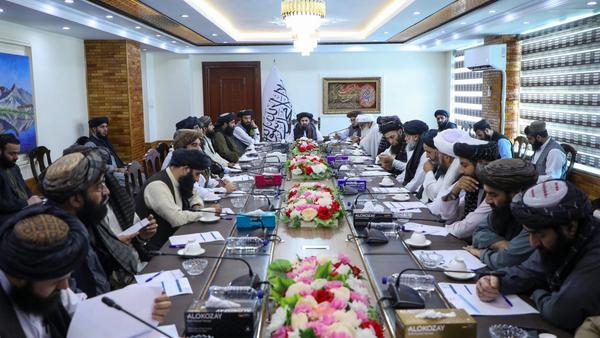
Economic Commission Approves Electronic Document System and Reviews Mining-Funded Projects
The Economic Commission has approved a phased rollout of an electronic document management system to improve government transparency and reviewed 22 public welfare projects funded by mining revenues.
 Reliable
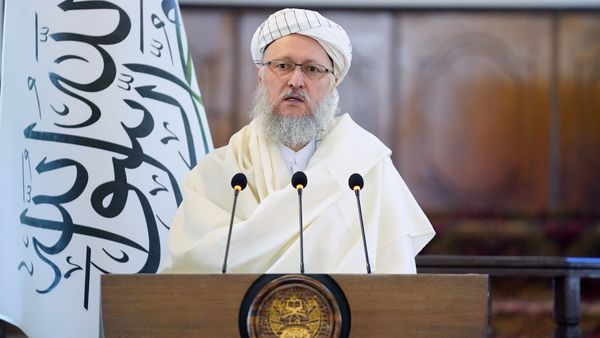
Deputy Administrative Chief Visits Eastern Provinces to Assess Returnee Settlement Conditions
Mawlawi Abdul Salam Hanafi led a government delegation to eastern Afghanistan to evaluate settlement conditions for returnees and direct ministries to improve housing, water access, and infrastructure. The assessment covers Nangarhar, Kunar, and Nuristan provinces.
 Reliable
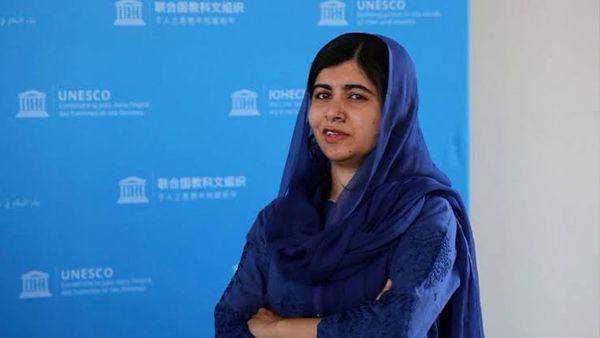
Malala Yousafzai Calls for International Recognition of Gender Apartheid in Afghanistan
Malala Yousafzai met with Scottish First Minister John Swinney to urge international recognition of gender apartheid and the inclusion of Afghan women in negotiations, amid worsening press freedom rankings.
 Reliable
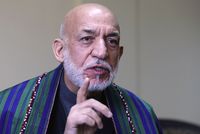
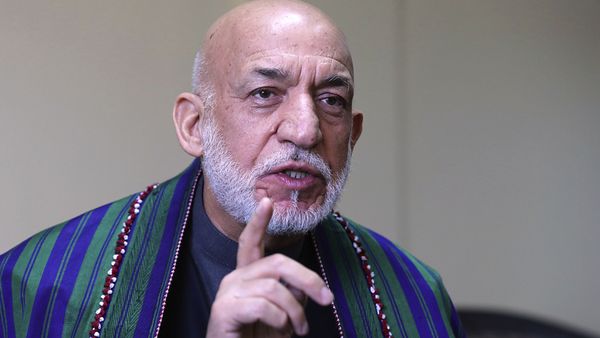
Karzai Warns of Workforce Shortages Amid Taliban Ban on Girls’ Education
Former President Hamid Karzai has called for the immediate reopening of schools for girls, citing a UNICEF report that warns of severe shortages in female teachers and health workers by 2030. He cautioned that the ongoing education ban will weaken national capacity and increase foreign dependency.