
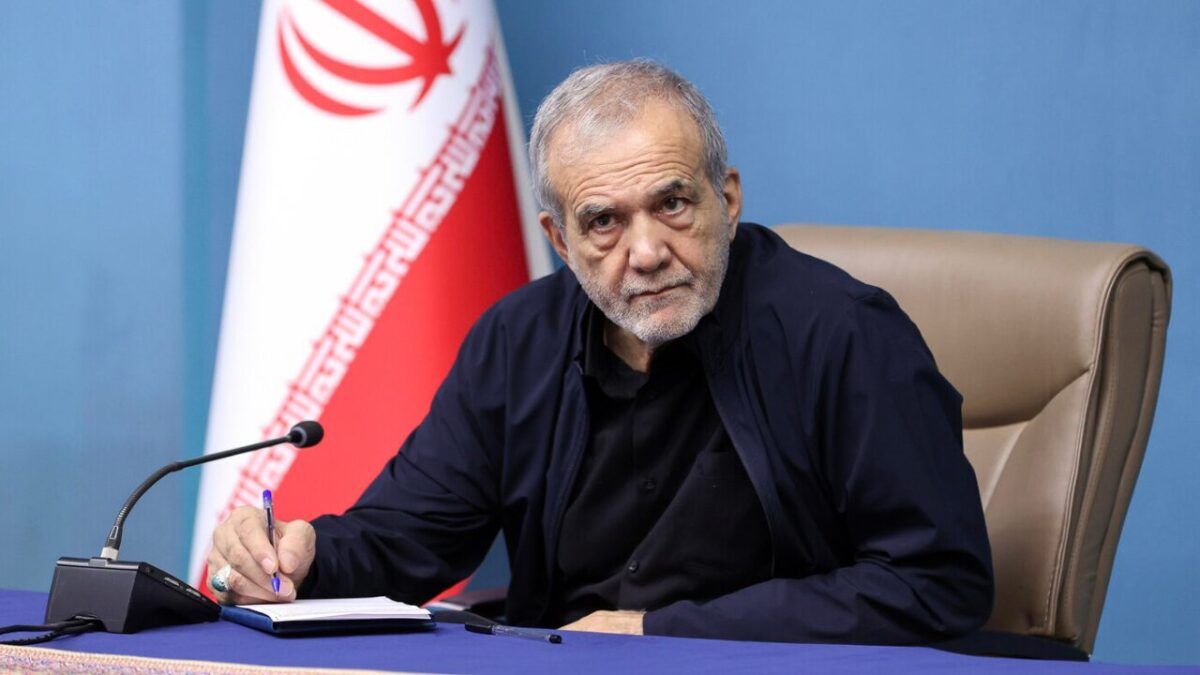
Iran Refuses US Negotiations Under Blockade and Pressure, President Says
Iranian President Masoud Pezeshkian has stated that Tehran will not resume negotiations with the United States until Washington lifts its maritime blockade and removes operational obstacles to diplomacy. The remarks came during a telephone conversation with Pakistani Prime Minister Shehbaz Sharif, as regional diplomatic efforts face renewed strain.
During the call, Pezeshkian emphasized that Iran would not engage in talks under pressure or threats. He characterized recent American military actions and maritime restrictions as violations of existing ceasefire understandings and the United Nations Charter, noting that these measures have significantly undermined diplomatic trust. The Iranian president also reiterated that Tehran did not initiate the recent conflict and does not seek to expand regional instability.
Prime Minister Sharif described the phone conversation as constructive, reflecting ongoing coordination between Islamabad and Tehran amid shifting diplomatic dynamics. The discussion follows a recent visit to Islamabad by Iranian Foreign Minister Abbas Araghchi, who held meetings with Pakistani government and military leadership to discuss regional security and bilateral ties.
Diplomatic channels have faced setbacks in recent weeks, including the cancellation of a planned visit by envoys from the Trump administration to Pakistan. Iranian officials maintain that any future dialogue with Washington must be conducted without preconditions or coercive measures. Both sides continue to monitor developments in the region as diplomatic posturing intensifies.
Know more about this story?
If you have additional information or believe something is inaccurate, let us know. Your tips help us stay accurate.
Where reports agree
- Iranian President Masoud Pezeshkian publicly refused to negotiate with the US under blockade or pressure.
- Pezeshkian held a phone call with Pakistani Prime Minister Shehbaz Sharif.
- PM Sharif characterized the dialogue as constructive.
- Both outlets cite ISNA and attribute statements directly to named officials.
Where reports differ
- No direct contradictions exist between the sources. They provide complementary details: Amu TV adds context on FM Araghchi's visit, a cancelled US envoy trip, and UN Charter references, while Pajhwok focuses on direct quotes regarding trust-building and Iran's defensive posture.
More in International
Iranian Foreign Minister Affirms High-Level Diplomatic Engagement With Russia
Nearly 100 UN Member States Condemn Iran’s Strait of Hormuz Attacks as Threat to Global Economy
Iran Condemns US Seizure of Oil Tankers as Piracy

France Delivers 42 Tonnes of Humanitarian Aid to Afghanistan via EU Air Bridge
 Reliable
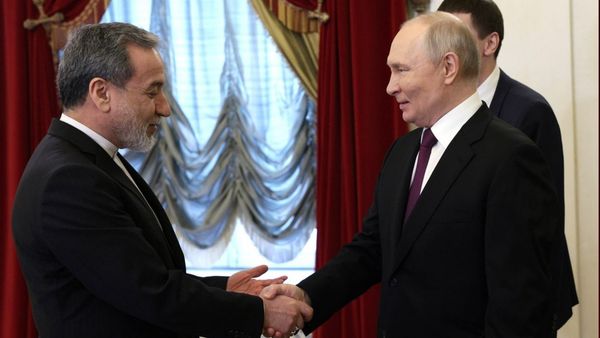
Iranian Foreign Minister Affirms High-Level Diplomatic Engagement With Russia
Iranian Foreign Minister Seyed Abbas Araghchi affirmed that diplomatic engagement with Russia remains at the highest level following recent meetings with senior Russian officials. He stated that recent developments underscore the depth of the strategic partnership between Tehran and Moscow.
 Reliable
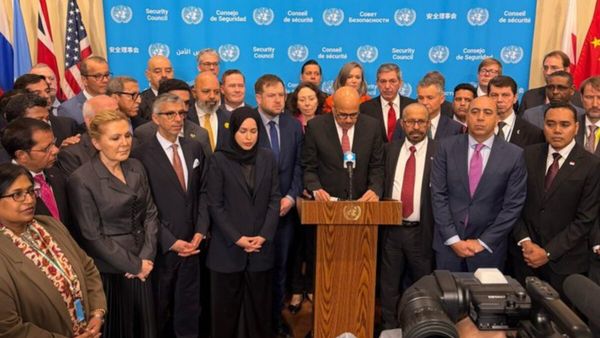
Nearly 100 UN Member States Condemn Iran’s Strait of Hormuz Attacks as Threat to Global Economy
Nearly one hundred UN member states have condemned Iran’s recent attacks in the Strait of Hormuz as a threat to the global economy. Meanwhile, the White House confirmed it is reviewing an Iranian peace proposal to halt hostilities and reopen the waterway, though Washington’s core red lines remain in place.
 Reliable
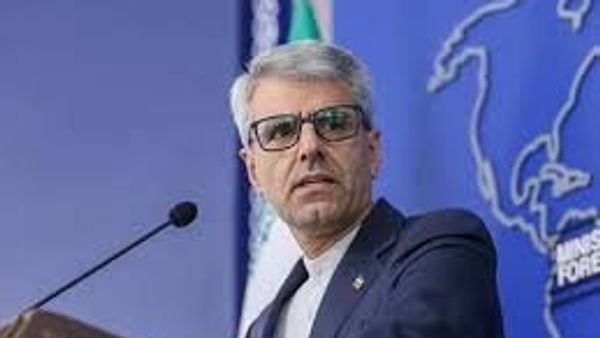
Iran Condemns US Seizure of Oil Tankers as Piracy
Iran’s Foreign Ministry has condemned the U.S. seizure of Iranian oil tankers in international waters, labeling the action as piracy and a violation of international law. Spokesperson Ismail Baghai called for accountability, warning that the detentions threaten global maritime security and free trade.
 Reliable
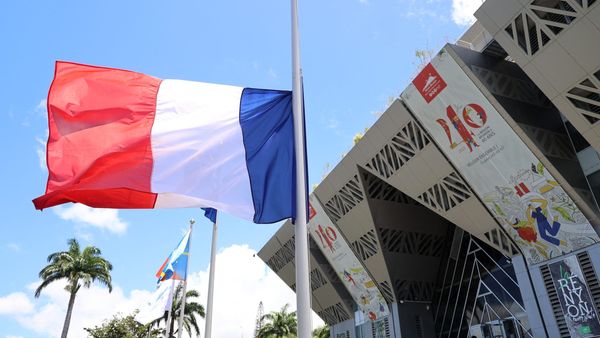
France Delivers 42 Tonnes of Humanitarian Aid to Afghanistan via EU Air Bridge
France has delivered 42 tonnes of humanitarian aid, including therapeutic food and medical supplies, to Afghanistan via the EU Humanitarian Air Bridge. The shipment will be managed by the UN to treat severe malnutrition in approximately 3,200 young children amid a broader humanitarian crisis.