
Austria to Sign Deportation Transit Agreement with Uzbekistan on May 7
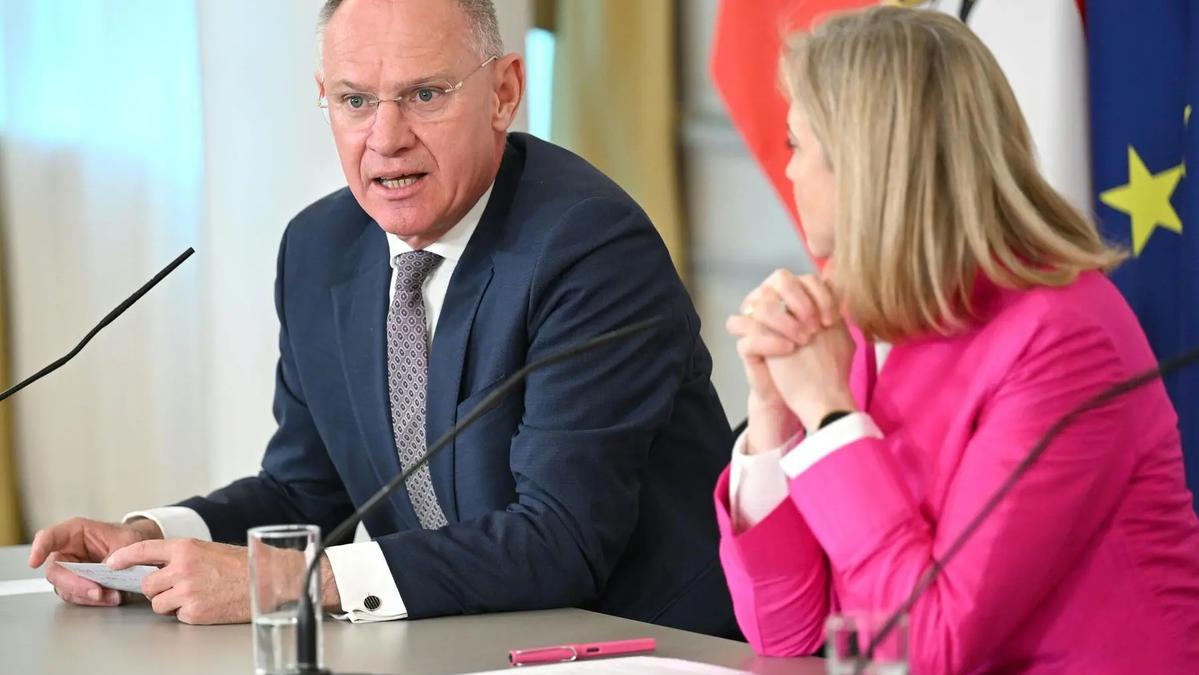
Austria is set to formalize a bilateral agreement with Uzbekistan to establish a new transit corridor for the deportation of Afghan nationals back to Afghanistan. Austrian officials plan to sign the accord during a ministerial visit to Tashkent on May 7.
The arrangement marks a logistical shift in Austria’s repatriation procedures, replacing previous transit routes that typically routed deportees through Istanbul, Turkey. According to the Austrian Interior Ministry, the agreement is designed to streamline return operations. Ministry spokesperson Markus Haindl emphasized that the deal is particularly significant for facilitating the transit of individuals being deported to Afghanistan.
The policy aligns with a broader European effort to tighten asylum regulations and externalize migration management. By routing returns through Central Asia, Austrian authorities aim to expedite repatriation processes amid increasing pressure to manage irregular migration flows.
Humanitarian organizations, including the International Rescue Committee, have raised concerns regarding the agreement. Advocacy groups warn that forced returns could expose vulnerable populations to security and humanitarian risks, particularly given the ongoing challenges within Afghanistan. Critics also highlight a rising global trend of deportations targeting Afghan asylum seekers, urging European governments to prioritize legal safeguards and protection standards.
The upcoming signing in Tashkent will involve both the Austrian foreign and interior ministers. Details regarding the operational implementation of the transit route and the expected volume of returns have not yet been publicly disclosed.
Know more about this story?
If you have additional information or believe something is inaccurate, let us know. Your tips help us stay accurate.
Where reports agree
- Austria is finalizing a deal with Uzbekistan to use it as a transit corridor for deporting Afghan nationals.
- The agreement will be signed during a ministerial visit to Tashkent on May 7.
- The policy reflects a broader European trend of tightening asylum rules and externalizing migration management following the Taliban's return to power in 2021.
- Humanitarian groups warn of security risks and highlight a rising trend in deportations affecting vulnerable Afghan populations.
Where reports differ
- No substantive factual disagreements exist across the sources. Minor variations exist only in the cited secondary media outlets (Die Presse vs. The European Conservative) and the depth of humanitarian context provided, but all three align completely on the core event, timeline, official attribution, and logistical shift.
More in International

OIC Representative Calls for Economic Support and Eased Banking Restrictions for Afghanistan at Istanbul Meeting

UN Climate Official Says Iran Conflict Accelerates Global Shift to Renewable Energy

UAE Restricts Citizen Travel to Iran, Iraq, and Lebanon

Informal Talks Held in Istanbul to Address Tensions Between Taliban and Pakistan
 Reliable
OIC Representative Calls for Economic Support and Eased Banking Restrictions for Afghanistan at Istanbul Meeting
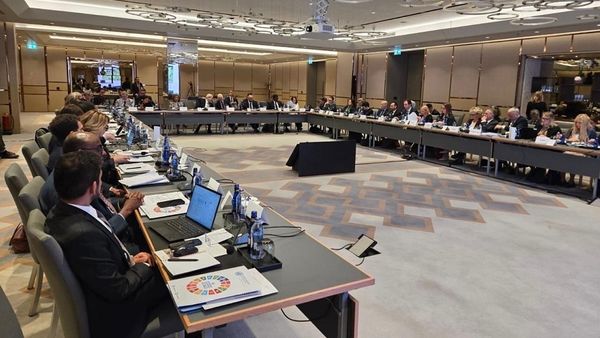
The Organization of Islamic Cooperation’s special representative for Afghanistan called for sustained humanitarian aid, economic support, and eased banking restrictions during a coordination meeting in Istanbul. Affiliated institutions were highlighted as key partners in supporting the country’s recovery efforts.
 Reliable
UN Climate Official Says Iran Conflict Accelerates Global Shift to Renewable Energy
UN Climate Secretary Simon Stiell stated that the ongoing conflict involving Iran has accelerated the global transition to renewable energy amid fuel supply disruptions. Approximately sixty governments recently met in Colombia to discuss strategies for phasing out fossil fuels and expanding clean energy infrastructure.
 Reliable
UAE Restricts Citizen Travel to Iran, Iraq, and Lebanon
The UAE Ministry of Foreign Affairs has banned all citizen travel to Iran, Iraq, and Lebanon, ordering those currently in the countries to depart immediately.
 Reliable
Informal Talks Held in Istanbul to Address Tensions Between Taliban and Pakistan
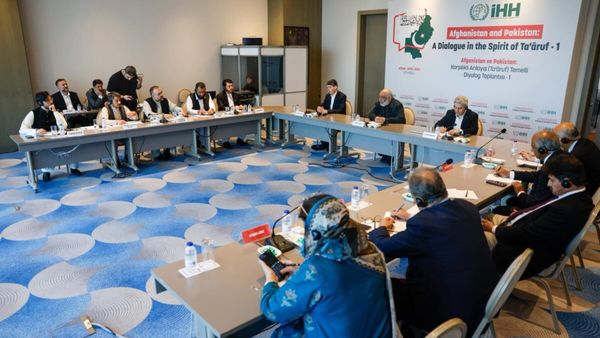
Informal diplomatic talks facilitated by Qatar and Turkey were held in Istanbul to address rising tensions between the Taliban and Pakistan, though significant progress in resolving the security and political deadlock remains elusive.